Showing posts with label hair loss in men. Show all posts

WHY YOUR SCALP IS SABOTAGING YOUR HAIR (AND WHAT MOST MEN GET WRONG)

thinning hair on man

The Overlooked Cause of Thinning Hair in Men

Most men assume hair loss starts at the follicle.

It doesn’t.

It starts at the scalp.

And if your scalp isn’t in good condition—too oily, inflamed, irritated, or constantly sweating—your hair never really stands a chance. You can have “perfect genetics” on paper and still watch your hair thin slowly over time.

The frustrating part? Most men don’t even realise their scalp is the problem.


The Modern Scalp Problem No One Talks About

Take a typical day.

You wake up, shower quickly, maybe use a generic shampoo, rush out the door. By midday, your scalp feels slightly greasy. By evening, it’s either oily, itchy, or tight.

Sound familiar?

This isn’t random. It’s the result of a few very common issues:

  • Overactive oil (sebum) production
  • Sweat buildup (especially around the crown and hairline)
  • Product residue clogging follicles
  • Low-grade inflammation you can’t see—but your hair can “feel”

Individually, these seem harmless. Together, they create a hostile environment for healthy hair growth.


Oily Scalp ≠ Healthy Hair

There’s a persistent myth that an oily scalp is a “good sign” because it keeps hair moisturised.

In reality, excess oil can suffocate the scalp.

When sebum builds up, it mixes with dead skin cells and environmental debris. This forms a thin film over the scalp, which can:

  • Block hair follicles
  • Disrupt the natural growth cycle
  • Increase shedding over time
  • Trigger itching and irritation

Even worse, oily environments can encourage the growth of certain microbes that contribute to dandruff and inflammation.


The Sweat Factor (And Why It Matters More Than You Think)

Some men sweat heavily from the scalp—even in cool environments.

This isn’t just uncomfortable—it can actively work against your hair.

Constant moisture:

  • Weakens the scalp barrier
  • Encourages irritation
  • Breaks down the balance of the scalp microbiome
  • Leaves salt residue that dries and stresses the skin

If your scalp often feels damp, sticky, or “overheated,” that’s not neutral—it’s a stress signal.


The Inflammation Link

Here’s where things get more serious.

Chronic, low-level scalp inflammation is one of the most overlooked drivers of hair thinning.

You won’t necessarily see redness or flakes. But beneath the surface, inflammation can:

  • Disrupt nutrient delivery to follicles
  • Shorten the growth phase of hair
  • Lead to weaker, finer strands
  • Increase daily shedding

Think of it like poor soil. Even if the seed is good, growth is compromised.


The Grooming Mistakes Making It Worse

Most men try to fix scalp issues—but accidentally make them worse.

Common mistakes include:

Overwashing with harsh shampoos
Strips natural oils → triggers rebound oil production

Using heavy styling products daily
Builds residue → clogs follicles

Ignoring scalp care altogether
Focusing only on the hair itself

Washing at the wrong times
Leaving sweat and oil sitting on the scalp for hours

It’s not about doing more. It’s about doing the right things.


What a Healthy Scalp Actually Feels Like

Most men don’t know what “normal” is supposed to feel like.

A healthy scalp is:

  • Neutral (not itchy, tight, or greasy)
  • Dry to the touch—but not flaky
  • Calm, with no tingling or irritation
  • Consistent throughout the day

If your scalp changes noticeably between morning and evening, that’s usually a sign something’s off.


Fix the Environment, Not Just the Hair

If you want to improve hair quality—or slow down thinning—the focus has to shift.

From hair… to scalp.

Start with the basics:

  • Use a gentle, non-stripping shampoo
  • Avoid heavy, pore-clogging products
  • Rinse after sweating (even if you don’t fully wash)
  • Keep the scalp clean, but not over-dried
  • Be consistent rather than aggressive

Small changes here often make a bigger difference than most people expect.


The Bigger Picture

Hair doesn’t grow in isolation.

It grows from a living system—one that responds to stress, inflammation, and environment.

Ignoring the scalp while focusing on “hair growth” is like watering a plant without checking the soil.

It might survive for a while.

But it won’t thrive.


Final Thought

Before jumping straight to treatments, routines, or expensive fixes, take a step back and look at the foundation.

Because in many cases, the issue isn’t just the hair.

It’s the environment you’re asking it to grow in.

WHY MEN LOSE MORE HAIR DURING SUMMER TIME

male hair health during summer time

How Sun Exposure Affects Men's Hair Health

Most men understand the importance of sunscreen when heading outdoors, but hair protection? That’s often an afterthought—if it's thought of at all.

Whether you’re working outside, hitting the beach, going for a run, or just enjoying a cold beer on the patio, your hair is constantly exposed to the elements. And while sunlight has its benefits—like helping your body produce Vitamin D—too much of it can silently sabotage your hair.

In this article, we’ll break down exactly how sun exposure affects men’s hair health, the signs of damage, who’s most at risk, and how to protect your hair without complicating your daily routine.

What the Sun Does to Your Hair

Your hair is made up of keratin, a tough protein. Each strand has a protective outer layer called the cuticle. Think of it like shingles on a roof—when it’s intact, everything inside is protected. But when exposed to UV rays, that layer can break down.

Here’s what happens:

  • UVA rays penetrate deep into the hair shaft, damaging proteins and reducing strength.

  • UVB rays affect the outer layer, degrading pigments and drying out the surface.

And here's the kicker: your hair doesn’t heal. Once the strand is damaged, it’s damaged for good until you cut it off.

Signs Your Hair Is Getting Hit by UV Damage

You might not notice it after a single day in the sun, but repeated exposure will start showing up—especially in the warmer months. Common signs include:

1. Dry, Rough Texture

Sun exposure saps natural oils from both your scalp and hair, making it feel brittle, dry, and harder to style.

2. Color Fading

Blondes may go blonder, but brunettes might notice a reddish or brassy tint creeping in. Natural or dyed, UV rays break down hair pigments over time.

3. Split Ends and Breakage

Sun-weakened hair becomes fragile, leading to split ends and mid-strand breakage—especially if you’re also using heat tools or wearing hats all day.

4. Thinning Appearance

UV damage weakens the integrity of individual hairs. Even if your hair isn’t falling out, it may start to look thinner and lose its body.

5. Scalp Sunburn

Bald spots or thinning areas on your scalp can burn just like skin elsewhere on your body. A sunburned scalp can lead to peeling, itching, and even temporary hair shedding.

Who's More Vulnerable?

While all men are at risk, some are more likely to see sun-related hair issues:

  • Guys with lighter hair: Blonde and red hair have less melanin, which provides natural UV protection.

  • Men with thinning or receding hairlines: Less hair coverage means more scalp exposure.

  • Those who work or play outdoors: Construction workers, athletes, hikers, and beachgoers get more UV exposure overall.

  • Men with dyed or chemically treated hair: Color or bleach weakens the hair shaft, making it more vulnerable to sun damage.

Why Men Often Overlook It

Let’s be honest: most guys don’t have a 10-step haircare routine. For many, it’s shampoo, maybe conditioner, and that’s it. Haircare tends to fall low on the priority list—until the damage is done.

But ignoring sun damage doesn’t make it go away. In fact, left unchecked, it can speed up hair aging, breakage, and even contribute to a more noticeable balding appearance.

How to Protect Your Hair Without the Fuss

Good news: protecting your hair from the sun doesn’t mean spending half an hour in front of the mirror. Here are simple, low-maintenance ways to keep your hair in solid shape—even during peak summer:

1. Wear a Hat

The easiest and most effective move. Baseball cap, bucket hat, or wide-brimmed hat—whatever fits your style. It protects both your hair and your scalp.

Bonus tip: Avoid tight hats all day every day—they can cause friction or cut off circulation to hair follicles over time.

2. Use a Leave-In Conditioner or Hair Cream with UV Protection

Yes, men’s hair products exist that protect against UV rays. Look for leave-in conditioners or light creams labeled with UV protection or antioxidants.

No need to overdo it—just apply a small amount to damp hair before heading out.

3. Shampoo Less, Condition More

Daily shampooing strips away natural oils. Unless you’re working out or sweating heavily every day, try cutting back to 2–3 shampoos a week.

Instead, rinse with water and use a good conditioner regularly. It helps restore moisture and strengthen hair that's taken a hit from the sun.

4. Use a Moisturizing Mask Once a Week

This sounds more “salon” than “garage,” but hear us out: hair masks are like protein shakes for your hair. It’s a 10-minute step, once a week, that can make a noticeable difference in texture and resilience.

Look for masks with ingredients like argan oil, keratin, or aloe vera.

5. Rinse After Swimming

Chlorine and saltwater dry out your hair and make it even more prone to sun damage. Always rinse with fresh water after a swim, and follow up with conditioner.

6. Eat for Strong Hair

Hair health isn’t just about what you put on it—what you eat matters too. Protein, omega-3s, iron, and vitamins like D, E, and biotin all play a role in hair growth and strength.

Think eggs, nuts, salmon, leafy greens, and whole grains.

What If You’re Already Seeing Damage?

Don’t panic. While you can’t undo existing damage to the strands, you can stop things from getting worse and give your hair a reset.

  • Get a trim: Cut off split ends and start fresh.

  • Upgrade your shampoo: Use one designed for dry or damaged hair.

  • Start conditioning: Even if you never did before, it’s never too late to begin.

  • Protect going forward: A little prevention now will save you from major damage later.

Final Thoughts

Sun exposure affects more than just your skin—it can weaken your hair, dry it out, fade its color, and even contribute to thinning. But with a few easy habits, you can protect your hair without overhauling your routine.

Whether you’re bald, buzzed, bearded, or rocking a full mane, your hair and scalp deserve attention. So next time you step out into the sun, don’t just think SPF—think about your hair, too.

Take care of it, and it’ll keep you looking sharp for the long haul.

Ad.

hair loss solutions for men

HAIR LOSS WORRIES FOR MEN: CAUSES, CONCERNS & SAFE TREATMENTS

man worried about hair loss

Hair loss is a common issue that affects millions of men worldwide, often leading to emotional distress and a loss of self-confidence. For many, a thick head of hair is associated with youth, vitality, and attractiveness, so its gradual thinning or sudden loss can be alarming. Understanding the causes of hair loss and exploring safe, effective treatments is crucial for those looking to manage this concern.

Why Men Experience Hair Loss

Male pattern baldness, or androgenetic alopecia, is the most common cause of hair loss in men. This hereditary condition is driven by genetics and the hormone dihydrotestosterone (DHT), which can shrink hair follicles and shorten the hair growth cycle. As a result, hair becomes thinner and eventually stops growing altogether in certain areas, typically starting at the temples or crown.

image of man with hair


Other factors can contribute to hair loss, including:

  • Stress: High levels of physical or emotional stress can trigger temporary hair shedding.

  • Poor nutrition: A lack of essential vitamins and minerals may weaken hair health.

  • Medical conditions: Thyroid disorders, autoimmune diseases, and scalp infections can all lead to hair thinning.

  • Medications: Certain treatments, such as chemotherapy, can cause hair loss.

The Emotional Impact

Hair loss can significantly affect a man’s self-esteem and mental well-being. Many men feel less confident in social and professional settings, and some may experience anxiety or depression as a result. This emotional toll often prompts men to seek solutions, ranging from topical treatments and supplements to surgical options.

Safe and Effective Treatments

Fortunately, there are various safe treatments available for men concerned about hair loss. The key is to choose evidence-backed solutions that promote hair health without harmful side effects.

1. Nutritional supplements
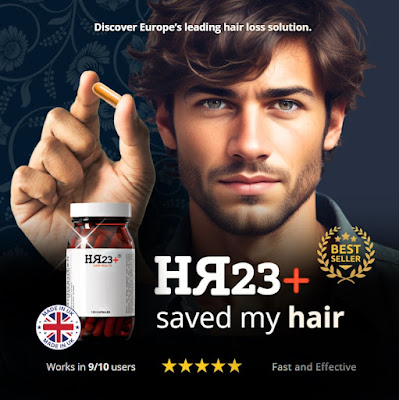
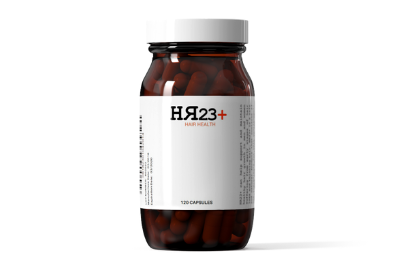
Supplements like HR23+ have become popular among men looking for a natural approach to hair maintenance. HR23+ is a multi-vitamin hair supplement designed to help prevent excessive hair shedding and support stronger, healthier hair growth. It contains a blend of vitamins, minerals, and natural extracts such as biotin, zinc, saw palmetto, and pumpkin seed oil. These ingredients are known to nourish hair follicles, block DHT production, and improve scalp health. Importantly, HR23+ is free from drugs and harsh chemicals, making it a safe option for long-term use.

HR23+ hair supplement

2. Topical treatments
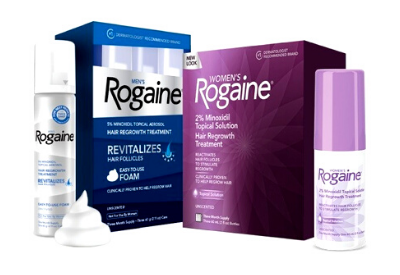
Minoxidil is one of the most well-researched topical treatments for hair loss. Applied directly to the scalp, it can stimulate hair growth and slow down thinning. It is available over the counter and is generally well tolerated, although some users may experience minor scalp irritation.

3. Prescription medications
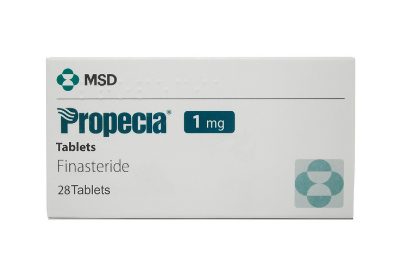
Finasteride is a prescription pill that helps reduce DHT levels in the body. It has been proven to slow hair loss and, in some cases, promote regrowth. However, it may cause side effects such as decreased libido or mood changes, so it’s essential to discuss its use with a healthcare provider.

4. Lifestyle changes
Maintaining a balanced diet rich in vitamins and minerals, managing stress, and practicing good scalp hygiene can all contribute to healthier hair. Regular exercise and adequate sleep also support overall well-being, which in turn can positively impact hair health.

5. Surgical options
For men with advanced hair loss, hair transplant surgery can offer a permanent solution. This procedure involves moving hair follicles from one part of the scalp to thinning areas. While effective, it can be costly and requires recovery time.

Final Thoughts

Hair loss is a natural part of aging for many men, but that doesn’t mean it has to be accepted without options. Today, a range of safe treatments—including nutritional supplements like HR23+, topical applications, and medical therapies—can help men manage hair loss and maintain confidence. Before starting any treatment, it’s wise to consult a healthcare professional to determine the most suitable approach based on individual needs. By staying informed and proactive, men can take positive steps toward healthier hair and a stronger sense of self-assurance.

ad for HR23+ hair loss treatment for men

5 EASY WAYS TO STOP HAIR LOSS THAT WORK

hair loss on man's hand


What's the best way to stop hair loss?

Hair loss in men, often referred to as male pattern baldness or androgenetic alopecia, is a common condition that can start as early as a man’s twenties or thirties. It typically follows a predictable pattern, beginning with a receding hairline or thinning at the crown.

The primary cause is genetic, influenced by hormones like dihydrotestosterone (DHT), which shrinks hair follicles and slows hair growth. While hair loss is a natural part of aging, it can affect self-esteem and confidence. 

Treatments range from medications like minoxidil and finasteride to hair transplant surgeries, offering varying levels of effectiveness.

Here are five easy, practical strategies to help reduce hair loss for men:

1. Improve Your Diet

foods for hair growth

  • Protein Intake: Hair is mostly made of keratin, a protein. Make sure you're eating enough protein-rich foods like eggs, fish, chicken, and beans.
  • Iron and Zinc: Iron helps blood carry oxygen to hair follicles, while zinc aids in tissue repair. Spinach, nuts, and red meat are good sources.
  • Biotin: Biotin deficiency can lead to hair loss, so incorporate biotin-rich foods like eggs, almonds, and whole grains.
It's true what they say: You are what you eat. And the same applies for your hair. The better your diet, the better chance you'll have of boosting healthy hair growth. 

2. Manage Your Stress Levels

hair loss

  • Chronic stress can lead to hair loss due to hormonal imbalances. Try techniques like meditation, regular exercise, deep breathing, or hobbies that help you unwind.
  • Sleep: Aim for 7-8 hours per night to give your body time to recover and your hair the opportunity to grow.
Do not underestimate how detrimental stress can be on your hair. One on four men experience thinning hair because of stress. The better you keep on top of stress, the more hair you are likely to keep. 

3. Try Derma Rolling

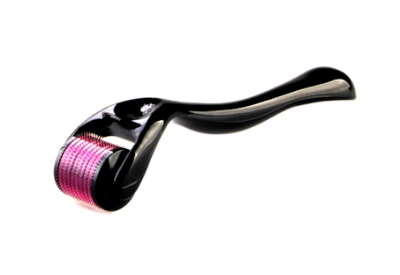
derma rollor for hair growth

  • Micro needling your scalp with a derma roller or derma stamp, can help boost the production of protein and collagen, which in turn can help reactivate hair follicles. 
  • This practice is easy to do, and a micro needling device, be it a roller or a stamp, is very cheap and long lasting. 
Micro needle once a week with a 1.5mm needle, or twice a week with a 0.5mm needle. You should see results in about 3-6 months.   

4. HR23+ Hair Restoration Supplement

hair restoration supplement for hair loss

  • Tackle hair loss safely and effectively with Europe's leading hair supplement. HR23+ is a long-established non-medial hair supplement that targets hair thinning at the root cause in both men and women.
  • HR23+ has been shown to be effective in 9 out of 10 users.
For more information about HR23+, visit: www.hairrestore23.com 

5. Consider Minoxidil or Natural Topicals

hair growth serum

  • Minoxidil (Rogaine) is a topical treatment approved by the FDA to reduce hair loss and promote hair growth. Apply as directed, and results typically appear after 3–6 months. It works particularly well with a micro needling routine.
  • Natural Alternatives: Oils like rosemary and peppermint oil may improve circulation when massaged into the scalp, supporting follicle health. Mix a few drops with a carrier oil and massage into your scalp.
  • Keratinocyte Growth Factor Serum: KGF Serum is a specialised hair growth serum that stimulates hair follicles to promote growth and thickness. KGF is a protein that encourages keratinocyte cell production, essential for hair development and repair. This serum often targets the scalp to improve hair density, strength, and overall scalp health, helping to reduce hair thinning and breakage over time.

These approaches work best when done consistently over time, and many can support overall hair health while slowing hair loss.

hair loss treatment guide

HOW SUCCESSFUL ARE HAIR LOSS TREATMENTS FOR MEN?

image of man with receding hairline hair loss

Hair Loss In Numbers: How many men manage to hold onto their hair, and what is the success rate of treatments? 

Hair loss is common, especially among men, with patterns of hair loss typically increasing with age. The most prevalent form of hair loss in men is androgenetic alopecia (male pattern baldness). Here's a general breakdown based on research:

  • By age 30, about 35-40% of men experience some level of hair loss.
  • By age 50, about 65% of men experience hair loss.
  • By age 70, this rises to about 70-80% of men.

Given these figures, approximately:

  • 60-65% of men under 30 have not experienced significant hair loss.
  • 35% of men by age 50 do not experience significant hair loss.
  • 20-30% of men by age 70 have no substantial hair loss.

Therefore, the percentage of men without hair loss decreases with age but is still significant in younger populations.

Approximately 70-80% of men experience some form of hair loss in their lifetime, particularly as they age. This means that 20-30% of men do not experience noticeable hair loss or maintain a full head of hair throughout their lives.

What percentage of men manage to treat hair loss successfully?

The success of treating hair loss varies depending on the treatment method, the individual's condition, and how early treatment begins. Here's a general overview of success rates for common treatments:

  1. Medications:

    • Finasteride (Propecia):
      • Clinical studies show that 56% to 73% of men who use finasteride experience a slowing of hair loss, and about 38-56% see some hair regrowth over several years.
    • Minoxidil (Rogaine):
      • Around 40% of men experience hair regrowth after 3-6 months of use, though it’s more effective at slowing hair loss than reversing it. Its effectiveness tends to decline over time.
  2. Hair Transplant Surgery:

    • Success rates for hair transplants can be quite high, with about 85-95% of transplanted hair growing successfully in a permanent way, depending on the surgeon’s skill and the patient’s suitability for the procedure.
  3. Low-Level Laser Therapy (LLLT):

    • This is a less common method but has shown some positive results, with studies indicating that 30-60% of men may experience a slowdown in hair loss or mild regrowth after consistent use.

  4. HR23+ Hair Restoration Supplement 

    HR23+ is a hair restoration supplement designed to help men (and women) reduce hair loss and promote healthier hair growth. It is marketed as a non-prescription, all-natural solution aimed at combating thinning hair, often caused by androgenetic alopecia (male pattern baldness).  Around 85% of male users noticed visible improvements in their hair within just 3-6 months. 

General Estimate

In general, 50-70% of men who pursue treatment (especially early) can manage to treat or slow their hair loss effectively. Complete hair regrowth is less common, but many treatments can slow the process or produce visible improvement.

image of hair loss treatment before and after

HAIR TREATMENT FOR HAIR LOSS: HOW TO CHOOSE THE RIGHT TREATMENT

header image best hair loss treatment for men

Choosing the right hair treatment for hair loss can be a complex process due to the variety of options available and the differing causes of hair loss. Here's a comprehensive guide to help you make an informed decision:

1. Identify the Cause of Hair Loss

Understanding the underlying cause of your hair loss is crucial for selecting the right treatment. Common causes include:

  • Genetic Factors: Androgenetic alopecia (pattern baldness)
  • Hormonal Changes: Pregnancy, menopause, thyroid problems
  • Medical Conditions: Alopecia areata, scalp infections, diseases like lupus
  • Medications: Chemotherapy, certain blood pressure medications, antidepressants
  • Nutritional Deficiencies: Lack of essential nutrients like iron, biotin, and protein
  • Stress and Lifestyle: Physical or emotional stress, poor diet, and sleep

2. Consult a Healthcare Professional

Before starting any treatment, it's recoded to consult a dermatologist or a trichologist (a specialist in hair and scalp problems). They can diagnose the cause of your hair loss and recommend appropriate treatments.  However, you should also do your own research in order to establish what treatment works best for you. 

3. Explore Treatment Options

There are several treatment options available, including:

Medications

  • Minoxidil (Rogaine): An over-the-counter topical treatment that stimulates hair growth. It’s suitable for both men and women.
  • Finasteride (Propecia): A prescription oral medication for men that reduces hair loss by blocking the hormone responsible for hair follicle shrinkage.
  • Spironolactone: An oral medication for women that addresses hair loss caused by hormonal imbalances.

Medical Procedures

  • Hair Transplant Surgery: Follicles are moved from dense areas to balding areas. Suitable for permanent hair loss.
  • Platelet-Rich Plasma (PRP) Therapy: Involves injecting platelet-rich plasma into the scalp to stimulate hair growth.
  • Low-Level Laser Therapy (LLLT): Uses laser light to stimulate hair follicles and promote hair growth.

Topical Treatments and Supplements

  • Essential Oils: Some, like rosemary and peppermint oil, may promote hair growth.
  • Nutritional Supplements: Biotin, iron, zinc, and other vitamins can support hair health if your diet is lacking.
  • Anti-Dandruff Shampoos: Useful if hair loss is due to scalp conditions like dandruff or seborrheic dermatitis.
  • HR23+: If you're looking for a safe and highly effective solution for hair loss, then HR23+ is an excellent supplement to try. HR23+ has shown to work in 9 out of 10 users, who saw significant improvements in their hair within just 3-6 months. Learn more about HR23+

4. Consider Lifestyle Changes

  • Diet: Ensure your diet is rich in essential nutrients. Foods like eggs, nuts, seeds, fish, and leafy greens are good for hair health.
  • Stress Management: Techniques like meditation, yoga, and regular exercise can help reduce stress-related hair loss.
  • Hair Care Routine: Avoid excessive heat styling, harsh chemicals, and tight hairstyles that can cause traction alopecia.

5. Evaluate Effectiveness and Side Effects

  • Monitor Progress: Keep track of any changes in your hair growth and loss pattern.
  • Be Aware of Side Effects: Some treatments can have side effects like scalp irritation (minoxidil) or sexual dysfunction (finasteride).

6. Consider Your Budget and Lifestyle

  • Cost: Some treatments, like hair transplants and PRP therapy, can be expensive.
  • Time Commitment: Medications like minoxidil need to be applied daily, while surgical procedures may require downtime.

7. Read Reviews and Testimonials

  • Personal Experiences: Reading about others' experiences can give you insight into the effectiveness and convenience of different treatments.

Conclusion

Choosing the right hair treatment involves understanding the cause of your hair loss, consulting with professionals, exploring various treatments, and considering your lifestyle and budget. 

With the right approach, you can find an effective solution to manage and potentially reverse hair loss.

header image male before and after hair loss

BEST WAYS TO MANAGE MALE HAIR LOSS

best ways to manage male hair loss


With Hair Loss Awareness Month starting soon, The Male Grooming Review begins to shift its focus on everything hair loss related. So, to kick things off, we look into some effective ways to manage hair loss in men.

Managing male hair loss involves a combination of lifestyle changes, medical treatments, and grooming practices. While it is advised to consult a healthcare professional for personalised advice, here are some of the best ways to manage male hair loss:

Minoxidil
Minoxidil is an over-the-counter topical medication approved by the FDA to promote hair growth. It is available in various strengths and formulations. Applying it to the scalp twice daily can help slow down hair loss and stimulate hair regrowth for some individuals.

Finasteride
Finasteride is an oral prescription medication that helps block the conversion of testosterone to dihydrotestosterone (DHT), the hormone responsible for hair loss in genetically susceptible individuals. It can be an effective treatment for male pattern baldness, but it's essential to discuss potential side effects with a doctor before starting this medication.

HR23+
An increasing amount of men are stumping hair loss and gaining more hair with the leading non-medical hair growth pill, HR23+. This safe and highly effective supplement targets hair loss at the root cause, with 9 out of 10 users noticing visible improvements in their hair within 3-12 weeks. 

Low-Level Laser Therapy (LLLT)
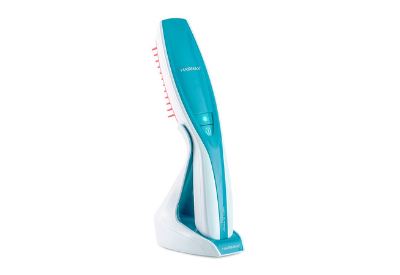
LLLT devices, such as laser combs or caps, use low-energy laser light to stimulate hair follicles and promote hair growth. While results may vary, some people experience improvements in hair thickness and density with regular use.

Healthy Diet
A balanced diet rich in nutrients, including vitamins A, C, D, E, iron, and zinc, can support hair health. Foods like leafy greens, fruits, nuts, and fish can provide essential nutrients to promote hair growth.

Stress Management
Chronic stress can contribute to hair loss. Engaging in stress-reducing activities like exercise, meditation, yoga, or hobbies can help manage hair loss caused by stress.

Proper Hair Care
Avoid harsh hair treatments, tight hairstyles, and excessive heat styling. Use mild shampoos and conditioners suitable for your hair type, and be gentle when towel-drying and brushing your hair to minimise damage.

Scalp Massage
Regularly massaging your scalp can improve blood circulation to the hair follicles and promote hair growth. Use your fingertips to massage your scalp gently for a few minutes daily. You could even try a spot of micro needling with a derma roller. This has shown to be quite effective for promoting hair growth. 

Avoid Smoking and Excessive Alcohol
Smoking and excessive alcohol consumption can negatively impact hair health and contribute to hair loss. Quitting smoking and moderating alcohol intake may improve hair condition.

Remember that the effectiveness of these approaches can vary from person to person, and results may take time. For a comprehensive and personalised approach to managing male hair loss, consult with a dermatologist or a healthcare professional specialising in hair loss.

Ad.
HAIR LOSS TREATMENT FOR MEN

HENRY CAVILL'S RECEDING HAIRLINE: HOW BALD IS HE?

Henry Cavill receding hairline


The Receding Hairline of Henry Cavill

Going bald can be a pretty demoralising thing to go through in life, and it can get a lot of guys depressed. That's why, in some strange way, it can be quite comforting see some of Hollywood's best looking stars going through the same experience as us mortals. 

Hair loss doesn't discriminate against anyone, and not even the Man of Steel, himself, Henry Cavill, is immune to the devastating effects of losing his hair. 

The Superman actor, soon to be 40, well known for his dashing good looks, chiselled jawline, and muscly physique, appears to have suffered from hair loss since his 20s. At present, Cavill has defuse thinning, and aggressive recession at the fontal hairline. 

Is Henry Cavill Going Bald?

Henry Cavill is showing clear signs of androgenic alopecia (male pattern baldness), which is the most common hair loss type in men. Two in three men experience male pattern baldness by the time they reach their 40s. 

Cavill measures at around Norwood Hamilton 2-3, which means he is advancing from mid stages to more advanced stages of hair loss. Once the Norwood 4 mark is hit, it is very difficult to stop or reverse hair loss without surgical intervention, and even that doesn't offer any guarantees. 

Does Henry Cavill use Hair Loss Treatments? 

It's difficult to determine whether Cavill uses treatments or not, because his hairline has receded quite naturally over the years, at a relatively normal pace. Also, he doesn't try to hide his hair loss, which shows that he is confident in his appearance, and in his hair. 

If Cavill does use hair loss treatments, then he could likely have opted for a number of options. If he went down the medical route, then there's a chance he could be using finasteride (a medically approved hair loss treatment pill) and/or minoxidil (a medically approved topical hair loss treatment).  


These treatments do not offer any guarantees, but they have been shown to slow down the effects of hair loss, which would explain why Cavill's thinning has been quite a slow progression in comparison to most male pattern baldness patients. 

Medical treatments like finasteride and minoxidil come with the risk of negative side-effects, and with Henry being such a gym buff, it is quite likely that, like many men, he would want to avoid using those types of treatments. 

So, as a safe alternative, he could well have opted for a potent multi-vitamin extract supplement like HR23+® or PharmaH41. These types of supplements do not work miracles, but they have been shown to help slow down (and even stop), hair loss in men (and women) suffering from androgenic alopecia. 

There are also safe, non-medical alternatives to minoxidil, such as Keratinocyte Growth Factor (KGF), which usually comes as a topical serum form. KGF has shown to be an effective treatment for hair loss sufferers. 

Will Henry Cavill Go Bald?

A receding hairline with thinning at the crown is one thing, but going completely bald is another matter, completely. Many men experience a receding hairline, but not all of these men end up losing all of their hair.

A common pattern in men is a slow progression of recession at the hairline, with gradual thinning at the crown region. Many men can experience this type of hair loss, but still end up with plenty of hair in their later years. 

The pattern of hair loss is generally the same, but the pace and aggressiveness of it does tend to differ from person to person. 

As Cavill enters his 40s, without treatment, he will likely experience more receding and thinning. However, it's unlikely that he will lose all his hair in the coming decade.  

With treatment, there's no reason why he cannot hold onto his hair for the next 20 years. Remember, there isn't a cure for baldness, but some treatments can help with hair loss prevention, which is the next best thing. 

If you tackle hair loss early enough, there is every chance that you will have a fuller head of hair for a much longer period in your life. 

Ad.

HR23+ hair loss solutions men

WHY DO WE LOSE MORE HAIR IN SUMMER SEASON?

seasonal hair loss in men


Summer season is generally considered to be the best time of year, with it's hot weather, longer days, and holiday season, however, for many men (and women) the hotter months of the year can be a real nightmare for our hair. 

What causes excessive hair loss in summer season?

If you are experiencing excessive hair shedding, particularly during summer season, then fear not, because this is perfectly normal. Many guys tend to shed more hair during certain times of the year, and summer is a pretty common period to lose hair. 

Seasonal Hair Loss is the main cause for excessive shedding during a certain period of the year. Some of us experience hair loss during the colder months, and others experience it during the hotter periods. Most people experience seasonal shedding during the autumn months, but it does vary, from person to person. 

What is seasonal hair loss? 

Seasonal hair loss is a temporary phase whereby men and women experience excessive hair shedding during certain times of the year. The shedding usually lasts for the majority of the season (8-10 weeks). In most cases, seasonal hair loss is temporary, but in some cases it can be longer term. 

For some individuals, however, this transition can also lead to more serious forms of hair loss. Like seasonal allergies (or even skin concerns), seasonal shedding occurs when a shift in temperature puts stress on the scalp and follicles, which leads to strands falling out.

How to stop seasonal hair loss 

Seasonal hair loss is a temporary form of shedding, however, if you are already prone to hair loss, or have naturally thin hair, then this can be a much bigger issue to deal with. Here are some viable ways in which seasonal hair loss can be reduced. 

Excessive exposure to the sun, pollution, rainwater, and dust without proper protection makes the hair dry, brittle, and limp. Summer can be a brutal season for your strands, so be sure to use SPF hair cream, or some sort of protection for your hair against the harmful sunlight. 

Ease up on shampooing your hair too often. Shampooing your hair around 2-3 times a week is absolutely more than enough during summer shedding season. Too much shampooing can over condition your hair, leaving it susceptible to damage and fall. 

A good, clean diet and plenty of exercise can go a long way to improving the health of your hair. Never underestimate a healthy lifestyle - your hair is no different to any other part of your body - the better you treat it, the more it will thrive. 

If you already suffer from a hair loss condition, like male pattern baldness, for example, then seasonal hair loss can be a real unwanted pain in the backside. All it does it add to the problem. So, if you're keen to avoid medical drugs and treatments, then be sure to get hold of a good multivitamin supplement that can help prevent excessive hair fall, and support the function of healthy hair growth. 
seasonal hair loss treatment


MALE PATTERN BALDNESS: WHAT ARE THE BEST TREATMENTS?

Male Pattern Baldness


It is no coincidence that hair loss is, by some distance, the most popular topic of interest on this website. Hair loss in men is a lot more common than you might have thought. Did you know that over 65% of men will experience some form of hair loss by the time they hit 40? And it doesn't end there, because over 80% of men will suffer from hair loss by the time they reach the age of 60. 

Now, as we age, our hair becomes thinner, and although thinning doesn't always necessarily lead to complete baldness, it's extremely rare for any man to have the same density of hair in his 50s, as he did when he was in his 20s. Unfortunately, thinning hair is just a normal occurrence that comes with age. 

The most common type of hair loss in men is male pattern baldness, but unfortunately for over half of men who are suffering from it, there isn't a cure. However, it's not all doom and gloom, because, with science evolving year-by-year, the market is packed with hair loss treatments, and some of them can actually be quite effective. 

Treating Hair Loss: What Are Your Options?

So, without a cure for male pattern baldness, let's look at the next best thing(s). Let's explore the best options to treat hair loss safely, effectively, and efficiently.

Finasteride

Finasteride is sold under the brand names Proscar and Propecia among others. It a prescription medication used to treat hair loss and benign prostatic hyperplasia in men. It can also be used to treat excessive hair growth in women and as a part of hormone therapy for transgender women. It is taken by mouth.

Finasteride has shown to be effective in 7 out of 10 men, but only on a small scale. With continued use, finasteride can help halt hair loss. It does not regrow lost hair, therefore it should be taken by men who suffer from earlier stages of hair loss. 
Finasteride for hair loss
As effective as finasteride can be, there is also the risk of negative side-effects. Some users have reported negative side-effects such as; erectile dysfunction, low libido, skin rash, depression, feminisation, breast soreness, breast swelling, and fatigue. So, be sure to carefully consider finasteride before taking it. 

Pros: Its effectiveness and price. 
Cons: Negative side-effects, and it needs to be used long-term. 

Minoxidil

Minoxidil, sold under the brand name Regaine (Rogaine in the US) among others, is a medication used for the treatment of high blood pressure and pattern hair loss in males (5% solution) and females (2% solution). It is currently the only topical treatment that is medically approved for hair loss. 

Minoxidil can help slow down hair loss, but it can also help regrow hair - albeit to a limited scale. Again, for the best results, minoxidil should be used for patients experiencing early stages of hair loss. The treatment will be ineffective for more advanced stages of baldness. 

Minoxidil for hair loss

Because it is a medication, minoxidil can also give negative side-effects. Common side-effects reported from using the topical solution include; headaches, dizziness, fatigue, weight gain, skin rash, and itchy scalp. It is always recommended that you speak to your doctor before using any medication.

Pros: Its price and accessibility. 
Cons: Negative side-effects, and it needs to be used long-term. 

Ketoconazole 

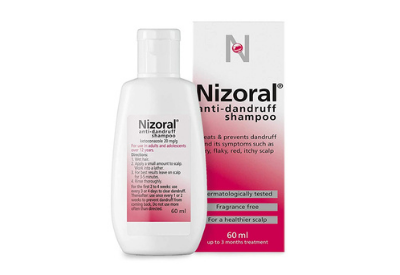
Ketoconazole, most commonly sold under the brand name Nizoral among others, is an antiandrogen and antifungal medication used to treat a number of fungal infections. Applied to the skin it is used for fungal skin infections such as tinea, cutaneous candidiasis, pityriasis versicolor, dandruff, and seborrheic dermatitis.

Ketoconazole has also been found to help prevent the effects of hair loss, and help promote the function of hair growth. Using Nizoral just once a week, in conjunction with other hair treatments, has been found to deliver promising results. 
Nizoral hair growth

Ketoconazole can also give harsh side-effects, with the most common complaints being; tightness in chest or throat, short of breath, slight swelling on the tongue, and itchy scalp. These symptoms are rare, though, and usually occur from the oral pill form. The topical shampoo much less so. 

Pros: Its price and accessibility. 
Cons: Potential side-effects, and its effectiveness is limited. 

Multi-Macro Hair Supplement

Multi-macro hair supplements, like HR23+, are growing hugely in popularity among men and women for a couple of simple reasons; Firstly, these hair supplements can be effective in preventing excessive hair loss, and supporting the function of healthy hair growth in men and women, and secondly, they are a safe alternative to the harsh prescription drugs like finasteride, meaning you won't ever have to compromise on your health, or worry about negative side-effects. 
HR23+ hair loss treatment
Perhaps underrated, somewhat, hair supplements like HR23+ have helped men and women who are experiencing early stages of hair loss, maintain normal, healthy hair growth. With continued use, hair supplements can counter hair loss both quickly and effectively. 

Pros: Its effectiveness and no side-effects. 
Cons: Potentially expensive over the long term.  

Keratinocyte Growth Factor (KGF)

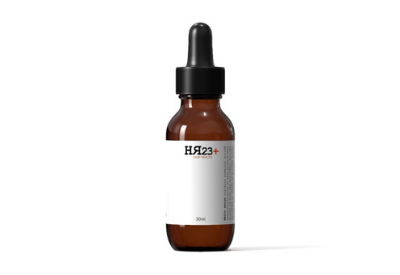
When used in a serum, KGF can help with poor scalp micro-circulation and follicle atrophy caused by dihydrotestosterone (DHT), seasonal shedding, post-partum baldness, menopausal hair loss, and follicle ageing. KGF can compensate for loss of nutrients to the scalp brought about by poor blood irrigation.
HR23+ Serum
KGF won't perform miracles, but with continued use, it can help prevent excessive shedding, and maintain healthy hair growth in men and women experiencing early stages of hair loss. 

Pros: Its effectiveness and no side-effects. 
Cons: Potentially expensive over the long term.  


Micro Needling 

While used as an anti-aging skin treatment, micro needling has also been found to be a method of treatment for hair loss. There's even evidence that it can help a special type of hair loss known as alopecia areata. The same process of creating wounds in the skin is also thought to regenerate the health of the hair follicles, by producing protein and collagen. 
Micro needling for hair growth
Commonly used devices for micro needling are derma rollers and derma stamps. Although many men are seeing visible improvements in their hair from micro needling, more research and testing is needed to establish just how effective it actually is.

Pros: Its price. 
Cons: Unsure of its exact effectiveness.
 

Low Level Laser Therapy (LLLT)

In the course of various studies, LLLT helped to slow down or even stop hair loss in 85% of patients undergoing treatment. Patients also saw new hair growth in 55% of the cases. LLLT does not work in cases where baldness has existed for many years, therefore it should be used for early stages of thinning. 

LLLT hair growth

For LLLT treatment, there is the option of either visiting a hair clinic for a professional session, or alternatively, you can purchase LLLT devices (infrared hair comb, laser brush etc.) and do it yourself from the comfort of your own home. 

Pros: Its potential effectiveness. 
Cons: It can be expensive over a continued period of time.

Hair Transplantation 

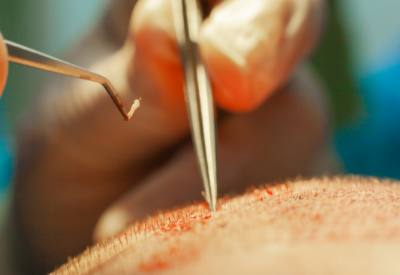
Hair transplantation is a surgical technique that removes hair follicles from one part of the body, called the 'donor site', to a bald or balding part of the body known as the 'recipient site'. The technique is primarily used to treat male pattern baldness.

hair transplant for men

Although hair transplants can be effective, it is still a long-term process, as most men need more than one transplant for the best results. However, many men are resorting to hair transplants in recent years because they have become more accessible, and more affordable. The standard has also risen. 

Pros: Its effectiveness. 
Cons: Vey expensive, and still not guaranteed to work.

Conclusion

Hair loss affects most men, but that doesn't mean to say it can't be treated. Unless you are suffering from more advanced stages of hair loss (Norwood 4+), then halting the pattern should be achievable. 

Treating hair loss is usually a complex issue, because the effectiveness of different treatments tends to vary from person-to-person. Also, treating hair loss with multiple treatments is usually an effective solution. 

Most of the treatments mentioned in this post can be combined to help prevent hair loss, and support health hair growth. For example, a popular treatment plan for men is; 
  • Apply minoxidil twice daily, six days a week. 
  • Use Nizoral once a week 
  • Micro needle with 1.5mm derma device once a week
  • Take HR23+ daily, seven days a week. 
A good treatment plan, along with a healthy diet and lifestyle, can do absolute wonders for your hair, so, unless you need to go down the hair transplant route, always remember, male pattern baldness can be minimised, both safely and effectively. 
HR23+