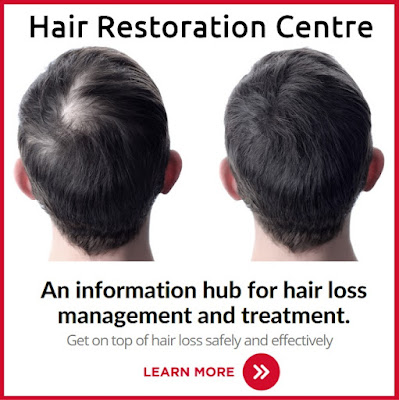
Showing posts with label best hair loss treatment plan for men. Show all posts

HAIR TREATMENT FOR HAIR LOSS: HOW TO CHOOSE THE RIGHT TREATMENT

header image best hair loss treatment for men

Choosing the right hair treatment for hair loss can be a complex process due to the variety of options available and the differing causes of hair loss. Here's a comprehensive guide to help you make an informed decision:

1. Identify the Cause of Hair Loss

Understanding the underlying cause of your hair loss is crucial for selecting the right treatment. Common causes include:

  • Genetic Factors: Androgenetic alopecia (pattern baldness)
  • Hormonal Changes: Pregnancy, menopause, thyroid problems
  • Medical Conditions: Alopecia areata, scalp infections, diseases like lupus
  • Medications: Chemotherapy, certain blood pressure medications, antidepressants
  • Nutritional Deficiencies: Lack of essential nutrients like iron, biotin, and protein
  • Stress and Lifestyle: Physical or emotional stress, poor diet, and sleep

2. Consult a Healthcare Professional

Before starting any treatment, it's recoded to consult a dermatologist or a trichologist (a specialist in hair and scalp problems). They can diagnose the cause of your hair loss and recommend appropriate treatments.  However, you should also do your own research in order to establish what treatment works best for you. 

3. Explore Treatment Options

There are several treatment options available, including:

Medications

  • Minoxidil (Rogaine): An over-the-counter topical treatment that stimulates hair growth. It’s suitable for both men and women.
  • Finasteride (Propecia): A prescription oral medication for men that reduces hair loss by blocking the hormone responsible for hair follicle shrinkage.
  • Spironolactone: An oral medication for women that addresses hair loss caused by hormonal imbalances.

Medical Procedures

  • Hair Transplant Surgery: Follicles are moved from dense areas to balding areas. Suitable for permanent hair loss.
  • Platelet-Rich Plasma (PRP) Therapy: Involves injecting platelet-rich plasma into the scalp to stimulate hair growth.
  • Low-Level Laser Therapy (LLLT): Uses laser light to stimulate hair follicles and promote hair growth.

Topical Treatments and Supplements

  • Essential Oils: Some, like rosemary and peppermint oil, may promote hair growth.
  • Nutritional Supplements: Biotin, iron, zinc, and other vitamins can support hair health if your diet is lacking.
  • Anti-Dandruff Shampoos: Useful if hair loss is due to scalp conditions like dandruff or seborrheic dermatitis.
  • HR23+: If you're looking for a safe and highly effective solution for hair loss, then HR23+ is an excellent supplement to try. HR23+ has shown to work in 9 out of 10 users, who saw significant improvements in their hair within just 3-6 months. Learn more about HR23+. 

4. Consider Lifestyle Changes

  • Diet: Ensure your diet is rich in essential nutrients. Foods like eggs, nuts, seeds, fish, and leafy greens are good for hair health.
  • Stress Management: Techniques like meditation, yoga, and regular exercise can help reduce stress-related hair loss.
  • Hair Care Routine: Avoid excessive heat styling, harsh chemicals, and tight hairstyles that can cause traction alopecia.

5. Evaluate Effectiveness and Side Effects

  • Monitor Progress: Keep track of any changes in your hair growth and loss pattern.
  • Be Aware of Side Effects: Some treatments can have side effects like scalp irritation (minoxidil) or sexual dysfunction (finasteride).

6. Consider Your Budget and Lifestyle

  • Cost: Some treatments, like hair transplants and PRP therapy, can be expensive.
  • Time Commitment: Medications like minoxidil need to be applied daily, while surgical procedures may require downtime.

7. Read Reviews and Testimonials

  • Personal Experiences: Reading about others' experiences can give you insight into the effectiveness and convenience of different treatments.

Conclusion

Choosing the right hair treatment involves understanding the cause of your hair loss, consulting with professionals, exploring various treatments, and considering your lifestyle and budget. 

With the right approach, you can find an effective solution to manage and potentially reverse hair loss.

header image male before and after hair loss

TOP 5 HAIR LOSS TREATMENTS FOR MEN

top 5 hair loss treatments for men

The Best Male Hair Loss Treatment Options

Male pattern baldness, also known as androgenetic alopecia, is a common condition characterised by a receding hairline and thinning of hair on the crown of the head. It's the most common type of hair loss in men and is typically influenced by genetics and hormonal factors.

There is no cure for male pattern baldness, but there are some treatments that can help reduce the rate of hair fall, and promote the function of healthy hair growth. When it comes to treating hair loss, the earlier you act, the more hair you'll keep.

Effective treatments for male pattern baldness are limited, but here are five treatments (non-surgical) that can help stop hair loss, and help retain the hair you have, over a long period of time.

Finasteride/Dutasteride 

Finasteride is an FDA-approved medication for the treatment of male pattern baldness. It works by inhibiting the enzyme 5-alpha reductase, which converts testosterone into dihydrotestosterone (DHT). DHT is a hormone that contributes to hair loss by shrinking hair follicles over time.

Clinical studies have shown that finasteride is effective in slowing down hair loss and promoting hair regrowth in men with male pattern baldness. It can help to maintain existing hair and potentially regrow hair in some areas of the scalp.

Finasteride is typically taken orally in the form of a pill, usually once a day. It's important to note that results may take several months to become noticeable, and continuous treatment is necessary to maintain any significant results.

While finasteride is generally well-tolerated, it can cause side effects in some individuals. The most common side effects include decreased libido, erectile dysfunction, and decreased ejaculate volume. These side effects are usually reversible upon discontinuation of the medication, but it's essential to discuss any concerns with a healthcare provider.

There has been some debate and controversy surrounding the safety of finasteride, particularly regarding its potential long-term effects on sexual function and mental health, therefore caution is strongly advised. 

Before starting finasteride or any other medication for male pattern baldness, it's important to consult with a healthcare provider, such as a dermatologist or primary care physician. They can assess your individual case, discuss potential risks and benefits, and help you make an informed decision about treatment.

Ad.
saw palmetto for hair loss


Minoxidil

Minoxidil is another FDA-approved medication for the treatment of male pattern baldness. Unlike finasteride, which works by blocking the conversion of testosterone to dihydrotestosterone (DHT), minoxidil works differently. It's a topical solution that is applied directly to the scalp, and its exact mechanism of action is not fully understood. However, it is believed to promote hair growth by increasing blood flow to the scalp and stimulating hair follicles.

Minoxidil has been shown to be effective in promoting hair growth and slowing down hair loss in men with male pattern baldness. It is particularly useful for stimulating hair regrowth in areas where the hair has become thin or has started to recede.

Minoxidil is available in various formulations, including solutions and foams, and is typically applied directly to the scalp twice daily. It's important to follow the instructions provided by the manufacturer or healthcare provider for proper application and dosage.

Like finasteride, minoxidil requires continuous use to maintain any hair regrowth achieved. It may take several months of regular use before results become noticeable, and stopping treatment can lead to a return of hair loss.

Minoxidil is generally well-tolerated when used as directed, but some individuals may experience side effects. Common side effects may include scalp irritation, itching, and dryness. In rare cases, minoxidil may cause more severe side effects such as unwanted facial hair growth or rapid heartbeat. If you experience any concerning side effects, it's essential to discontinue use and consult with a healthcare provider.

Overall, minoxidil is a widely used and effective treatment option for male pattern baldness, particularly for individuals who prefer a topical solution or cannot tolerate the side effects of oral medications like finasteride. As with any medication, it's important to use minoxidil as directed and consult with a healthcare provider if you have any questions or concerns.

Ketoconazole 

Ketoconazole is an antifungal medication that has also been found to have potential benefits for treating male pattern baldness. While its primary use is in treating fungal infections of the skin, scalp, and nails, ketoconazole has been investigated for its secondary effects on hair growth.

Ketoconazole has anti-inflammatory properties that may help reduce scalp inflammation, which is believed to play a role in male pattern baldness. Additionally, it has antifungal properties that can help combat scalp conditions such as dandruff, which may contribute to hair loss.

Ketoconazole is available in topical formulations, including shampoos (Nizoral) and creams, that can be applied directly to the scalp. Ketoconazole shampoo is commonly used to treat dandruff and seborrheic dermatitis, but some studies suggest that it may also help promote hair growth and reduce hair loss in individuals with male pattern baldness.

While some studies have suggested that ketoconazole may have potential benefits for hair growth in individuals with male pattern baldness, the evidence is limited and further research is needed to confirm its efficacy. 

Ketoconazole shampoos are typically used a few times per week, but frequency may vary depending on the specific product and individual needs. It's also essential to be aware of any potential side effects or interactions with other medications.

Overall, while ketoconazole may have potential benefits for treating male pattern baldness, it's not considered a primary treatment option, and more research is needed to fully understand its effects on hair growth. As always, it's important to consult with a healthcare provider before starting any new treatment for hair loss.

Ad.
hair loss treatment guide


Keratinocyte Growth Factor (KGF)

Keratinocyte growth factor (KGF), also known as fibroblast growth factor 7 (FGF7), is a protein that plays a role in the growth and maintenance of epithelial tissues, including the skin and hair follicles. While KGF has been investigated for its potential therapeutic effects on hair growth, particularly in the context of male pattern baldness, research in this area is still in the early stages, and its effectiveness for treating hair loss is not yet well-established.

KGF is involved in the regulation of cell proliferation, differentiation, and survival in epithelial tissues. In the context of hair follicles, KGF is thought to stimulate the growth and differentiation of keratinocytes, the main cells that make up the outer layer of the skin and hair.

Preclinical studies and early clinical trials have shown that KGF may have potential benefits for promoting hair growth and reducing hair loss in individuals with male pattern baldness. KGF may work by stimulating the proliferation of hair follicle stem cells and promoting the growth of new hair shafts.

KGF is typically administered through topical application directly to the scalp or as an injectable formulation. The exact method of administration and dosage may vary depending on the specific formulation and protocol used in clinical studies.

While early studies have shown promising results, the clinical evidence supporting the effectiveness of KGF for treating male pattern baldness is still limited. Larger, well-controlled clinical trials are needed to further evaluate its safety and efficacy in a broader population of individuals with hair loss.

As with any therapeutic agent, there may be potential side effects associated with the use of KGF, although the specific side effect profile is not well-established. Common side effects may include scalp irritation, redness, or itching at the site of application.

In summary, while KGF shows promise as a potential treatment for male pattern baldness based on preclinical and early clinical studies, more research is needed to establish its safety and efficacy in larger clinical trials. It's important to consult with a healthcare provider before considering any experimental or investigational treatments for hair loss.

HR23+ Specialist Hair Supplement

HR23+ is a specialist hair supplement marketed as a solution for promoting hair growth and reducing hair loss. It contains a combination of vitamins, minerals, and potent herbal extracts that are purported to support hair health and stimulate hair growth. 

HR23+ typically contains a variety of ingredients that are believed to support hair health and growth. These include vitamins such as biotin (B7), vitamin E, and vitamin D, minerals such as zinc and iron, as well as herbal extracts like saw palmetto, stinging nettle, and horsetail extract. These ingredients are often chosen for their potential roles in hair growth and maintenance.

The ingredients in HR23+ are purported to work through various mechanisms to support hair growth. For example, B7 is believed to play a role in the production of keratin, a protein that forms the structure of hair. Saw palmetto is thought to inhibit the enzyme 5-alpha reductase, which converts testosterone into dihydrotestosterone (DHT), a hormone implicated in male pattern baldness.

Dietary supplements like HR23+ are not regulated as strictly as pharmaceutical drugs, which means their safety and efficacy may not be as well-established. While many of the ingredients in HR23+ are generally considered safe when taken as directed, there is a risk of side effects or interactions with other medications. It's important to consult with a healthcare provider before starting any new supplement, especially if you have underlying health conditions or are taking medications.

Some individuals may choose to use HR23+ or similar supplements as part of a comprehensive approach to promoting hair health, along with other treatments such as minoxidil. Many men take HR23+ as a safe alternative to harsh medications like finasteride. 


advert promoting hair growth supplement for men

4 HAIR GROWTH TREATMENTS TO COMBAT BALDNESS

best hair growth treatments for baldness


Fight hair loss on four fronts with the leading non-medical hair loss treatment range

Tackling hair loss has never been easy, but in recent years, leading hair health brand, HR23+, has made it that much more achievable by simplifying the way we treat thinning hair. 

If you're still unfamiliar with the HR23+ and its line of leading hair growth treatments, then here's an overview of the brand's treatments... 

1. The Hair Supplement
Released to market in January 2015, HR23+ Hair Supplement has gone onto become the market's leading non-medical hair growth capsule for both men and women. With continued use, this potent hair supplement can help reduce hair loss and support the function of healthy hair growth in sufferers of early stages of thinning hair. 
HR23+ hair growth treatment
85 percent of male users noticed visible improvements in their hair within three months of taking the capsules daily. Learn more about HR23+ Hair Supplement.


2. The KGF Serum
Released to market in February 2015, KGF Serum has has also gone onto become a market leading non-medical hair growth treatment. This highly potent (yet safe) topical solution contains keratinocyte growth factor (KGF) that works at the root cause of baldness. This serum is unique, and has shown to deliver excellent results.
KGF hair serum
7 out of 10 male users noticed visible improvements in their hair within three months of applying the serum just 3-4 times a week. Learn more about KGF Serum.


3. The Hair Growth Cream
Released to market in April 2022, the hair growth cream is a new product to the range. Focusing on optimal scalp care, this ointment is designed to nourish the scalp, activate weakened hair follicle activity, and reduce hair loss caused by damaged, dry skin.
HR23+ hair growth cream
This cream is ideal to use alongside the supplement and/or serum. It does not tend to treat hair loss single-handedly. Learn more about the Hair Growth Cream. 


4. The EGF Anti Hair Loss Shampoo 
Released to market in August 2023, this shampoo is the newest in the range. Treat hair loss on an additional front, with an anti hair loss shampoo, designed to help reduce the effects of thinning hair, and enhance the texture and density of hair strands. This shampoo works deep, at the root cause of thinning hair, adding an extra dimension to your hair care plan.

anti hair loss shampoo
This shampoo is the first to use Epidermal Growth Factor (EGF) in conjunction with saw palmetto, for effective results. Learn more about EGF shampoo. 


For more information about HR23+ hair growth treatments, how they work, and how they can benefit your hair, head on over to the official website hairrestore23.com 


A HIGHLY EFFECTIVE HAIR LOSS TREATMENT PLAN FOR MEN

highly effective hair loss treatment plan for men


A Highly Effective Hair Loss Treatment Plan for Men

If you are experiencing early stages of male pattern baldness, then fear not, because it can be treated. Hair loss can be minimised, and healthy hair growth can be maintained, by using a specific hair loss treatment plan. 

This hair loss treatment plan will not cure baldness, but it is effective for men who are going through the initial stages of hair loss. 

The treatments used in this plan are:

Minoxidil Topical Solution 5%
Nizoral Shampoo
Derma Roller
HR23+ Supplement

Minoxidil Topical Foam 5% Solution

Minoxidil is a topical solution for hair loss. It is particularly effective for reducing thinning hair on the crown region of the scalp, but it can also be effective when used in conjunction with a micro needling device. 

minoxidil hair loss treatment for men


Minoxidil is available to purchase online, or from local pharmacies. Here's an example of some minoxidil brands https://www.minoxidil-direct.com/. If money is an issue, then go for the cheapest brand. All minoxidil is the same. 

Go for the foam rather than the liquid, as it dries instantly, and doesn't make the hair greasy. Start off with applying once a day, maybe before you go to bed. Initial shedding may occur, but this is normal, as the hairs are entering a new growth cycle.

Ketoconazole shampoo (Nizoral) 2%

Ketoconazole is primarily used for treating dandruff, but is has been found to help reduce hair loss and encourage hair growth, particularly when used alongside minoxidil.

Ketoconazole shampoo for men Nizoral

Nizoral shampoo is very cheap to buy, and is also available online - Amazon is a good place to find it. Remember, ketoconazole is a potent solution that can come with minor side-effects, so just use the Nizoral shampoo once a week, that's it.

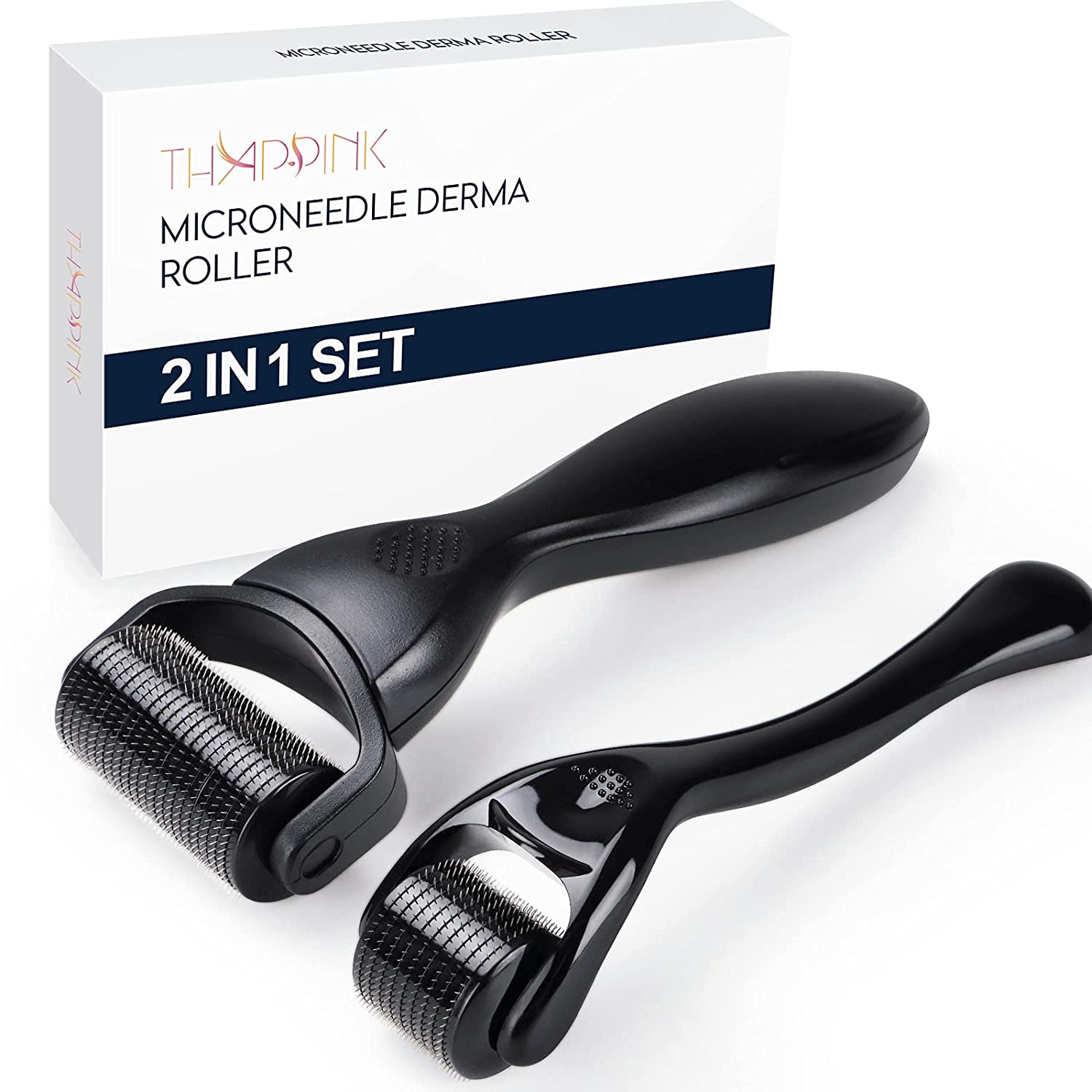
Micro needling (derma roller)

Micro needling with a derma roller or derma stamp is an effective way to stmulate hair growth. Micro needling wounds the skin, and as the wounds repair, it produces protein and collagen, which in turn, helps stimulates hair growth. Derma rolling is particularly effective for fixing a receding hairline. 

micro needling derma roller for hair growth men


Buy a cheap derma roller (1.5mm) and roll along the hairline once a week. Do not use minoxidil on the same day as you derma roll. 

HR23+ Hair Restoration Supplement

HR23+ is the leading hair supplement on the market for men and women. This non-medical formula is designed to help reduce hair loss, and support the function of healthy hair growth. 9 out of 10 HR23+ users noticed visible improvements in their hair. 

HR23+ hair growth treatment for men
Take 4 capsules a day, two in the morning and two at night, seven days a week. Easy.

When to use each treatment:

Monday - Minoxidil, Supplement.
Tuesday - Minoxidil, Supplement.
Wednesday - Minoxidil, Supplement
Thursday - Minoxidil, Supplement
Friday - Minoxidil, Supplement
Saturday - Minoxidil, Supplement
Sunday - Derma Roller, Nizoral Shampoo, Supplement

Be patient, and allow 3-9 months to start seeing improvements in the hair.


HR23+ hair growth treatment for men Supplement