Showing posts with label male hair loss. Show all posts

LOSING YOUR HAIR? HERE'S WHAT WORKS FOR MEN IN 2026

# Losing Your Hair? Here’s What Actually Works for Men in 2026  Hair loss is one of the most common grooming concerns for men, but the industry surrounding it is packed with exaggerated claims, miracle cures and expensive products that often do very little.  So, what actually works?  If you've noticed your hairline receding, thinning around the crown or your hair simply isn't as dense as it used to be, these are the options worth knowing about in 2026.  ## 1. Minoxidil  Minoxidil remains one of the most established treatments for male pattern hair loss and, alongside finasteride, is recognised by the NHS as one of the main treatment options for male pattern baldness.  Usually applied directly to the scalp as a liquid or foam, minoxidil can help maintain existing hair and stimulate growth in some men.  The downside? You need to be consistent. Results vary and the benefits generally only last while you continue using it.  **Verdict:** ★★★★☆ Still one of the first options men with early-stage thinning should consider.  ## 2. Finasteride  Finasteride tackles male pattern baldness from a different angle by reducing the conversion of testosterone into DHT, the hormone heavily involved in male pattern hair loss.  It can be highly effective, but it isn't something we'd recommend taking casually.  The UK's MHRA strengthened its finasteride safety warnings in 2026, highlighting recognised risks including sexual dysfunction, depression and suicidal thoughts. Some reports of sexual dysfunction have persisted after treatment has stopped.  If you're considering finasteride, discuss the benefits and risks properly with a healthcare professional.  **Verdict:** ★★★★☆ Effective, but the potential side effects need serious consideration.  ## 3. A Good Hair Supplement  Hair supplements aren't medicines and shouldn't be sold as miracle cures for genetic baldness.  What a well-formulated supplement *can* do is provide nutritional support for normal, healthy hair, making them particularly appealing to men who want a non-medicated addition to their routine.  One of our longstanding favourites is **HR23+ Hair Restoration Supplement**. It's been available for more than a decade and combines a broad range of vitamins, minerals, amino acids and botanical ingredients in one daily formula.  For men reluctant to use prescription medication, HR23+ is an easy addition to a wider hair-maintenance routine.  **Verdict:** ★★★★☆ One of the better non-medicated options we've seen.  ## 4. Ketoconazole Shampoo  Don't overlook the scalp itself.  Ketoconazole shampoo is primarily an antifungal treatment rather than a standalone treatment for male pattern baldness, but keeping dandruff, inflammation and excessive scaling under control can help create a healthier scalp environment.  Use it as part of a routine rather than expecting shampoo alone to regrow a disappearing hairline.  **Verdict:** ★★★☆☆ A useful supporting player.  ## 5. Start Early  This might be the most important point of all.  Male pattern hair loss is progressive. If your temples have started creeping backwards or your crown is becoming noticeably thinner, don't wait until you've lost a significant amount of hair before doing something about it.  And if your hair loss is sudden, patchy or unusually aggressive, speak to your GP or a dermatologist rather than assuming it's ordinary male pattern baldness.  ## The Bottom Line  There still isn't a magic cure for hair loss in 2026.  For male pattern baldness, **minoxidil and finasteride remain the two principal established treatments**, although finasteride comes with important safety considerations.  For men who prefer a non-medicated approach, a sensible combination of **good nutrition, a quality hair supplement such as HR23+, proper scalp care and early intervention** can form a practical hair-maintenance strategy.  Whatever route you choose, consistency matters.  **The earlier you start looking after thinning hair, the more hair you potentially have left to protect.**

Losing Your Hair? Here’s What Actually Works for Men in 2026

Hair loss is one of the most common grooming concerns for men, but the industry surrounding it is packed with exaggerated claims, miracle cures and expensive products that often do very little.

So, what actually works?

If you've noticed your hairline receding, thinning around the crown or your hair simply isn't as dense as it used to be, these are the options worth knowing about in 2026.

1. Minoxidil

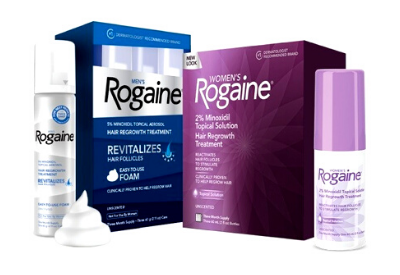
Minoxidil remains one of the most established treatments for male pattern hair loss and, alongside finasteride, is recognised by the NHS as one of the main treatment options for male pattern baldness.

Usually applied directly to the scalp as a liquid or foam, minoxidil can help maintain existing hair and stimulate growth in some men.

The downside? You need to be consistent. Results vary and the benefits generally only last while you continue using it.

Verdict: ★★★★☆
Still one of the first options men with early-stage thinning should consider.

2. Finasteride

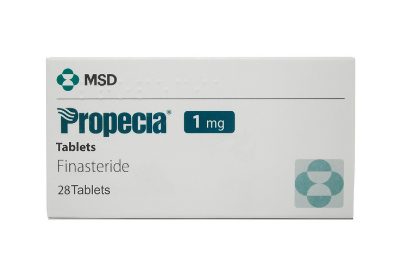
Finasteride tackles male pattern baldness from a different angle by reducing the conversion of testosterone into DHT, the hormone heavily involved in male pattern hair loss.

It can be highly effective, but it isn't something we'd recommend taking casually.

The UK's MHRA strengthened its finasteride safety warnings in 2026, highlighting recognised risks including sexual dysfunction, depression and suicidal thoughts. Some reports of sexual dysfunction have persisted after treatment has stopped.

If you're considering finasteride, discuss the benefits and risks properly with a healthcare professional.

Verdict: ★★★★☆
Effective, but the potential side effects need serious consideration.

3. A Good Hair Supplement

Hair supplements aren't medicines and shouldn't be sold as miracle cures for genetic baldness.

What a well-formulated supplement can do is provide nutritional support for normal, healthy hair, making them particularly appealing to men who want a non-medicated addition to their routine.

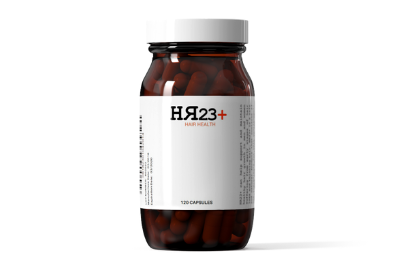
One of our longstanding favourites is HR23+ Hair Restoration Supplement. It's been available for more than a decade and combines a broad range of vitamins, minerals, amino acids and botanical ingredients in one daily formula.

For men reluctant to use prescription medication, HR23+ is an easy addition to a wider hair-maintenance routine.

Verdict: ★★★★☆
One of the better non-medicated options we've seen.

4. Ketoconazole Shampoo

Don't overlook the scalp itself.

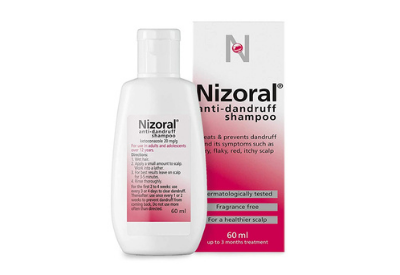
Ketoconazole shampoo is primarily an antifungal treatment rather than a standalone treatment for male pattern baldness, but keeping dandruff, inflammation and excessive scaling under control can help create a healthier scalp environment.

Use it as part of a routine rather than expecting shampoo alone to regrow a disappearing hairline.

Verdict: ★★★☆☆
A useful supporting player.

5. Start Early

This might be the most important point of all.

Male pattern hair loss is progressive. If your temples have started creeping backwards or your crown is becoming noticeably thinner, don't wait until you've lost a significant amount of hair before doing something about it.

And if your hair loss is sudden, patchy or unusually aggressive, speak to your GP or a dermatologist rather than assuming it's ordinary male pattern baldness.

Conclusion

There still isn't a magic cure for hair loss in 2026.

For male pattern baldness, minoxidil and finasteride remain the two principal established treatments, although finasteride comes with important safety considerations.

For men who prefer a non-medicated approach, a sensible combination of good nutrition, a quality hair supplement such as HR23+, proper scalp care and early intervention can form a practical hair-maintenance strategy.

Whatever route you choose, consistency matters.

The earlier you start looking after thinning hair, the more hair you potentially have left to protect.

before and after hair growth hr23 ad

BEST WAYS TO MANAGE MALE HAIR LOSS

best ways to manage male hair loss


With Hair Loss Awareness Month starting soon, The Male Grooming Review begins to shift its focus on everything hair loss related. So, to kick things off, we look into some effective ways to manage hair loss in men.

Managing male hair loss involves a combination of lifestyle changes, medical treatments, and grooming practices. While it is advised to consult a healthcare professional for personalised advice, here are some of the best ways to manage male hair loss:

Minoxidil
Minoxidil is an over-the-counter topical medication approved by the FDA to promote hair growth. It is available in various strengths and formulations. Applying it to the scalp twice daily can help slow down hair loss and stimulate hair regrowth for some individuals.

Finasteride
Finasteride is an oral prescription medication that helps block the conversion of testosterone to dihydrotestosterone (DHT), the hormone responsible for hair loss in genetically susceptible individuals. It can be an effective treatment for male pattern baldness, but it's essential to discuss potential side effects with a doctor before starting this medication.

HR23+
An increasing amount of men are stumping hair loss and gaining more hair with the leading non-medical hair growth pill, HR23+. This safe and highly effective supplement targets hair loss at the root cause, with 9 out of 10 users noticing visible improvements in their hair within 3-12 weeks. 

Low-Level Laser Therapy (LLLT)
LLLT devices, such as laser combs or caps, use low-energy laser light to stimulate hair follicles and promote hair growth. While results may vary, some people experience improvements in hair thickness and density with regular use.

Healthy Diet
A balanced diet rich in nutrients, including vitamins A, C, D, E, iron, and zinc, can support hair health. Foods like leafy greens, fruits, nuts, and fish can provide essential nutrients to promote hair growth.

Stress Management
Chronic stress can contribute to hair loss. Engaging in stress-reducing activities like exercise, meditation, yoga, or hobbies can help manage hair loss caused by stress.

Proper Hair Care
Avoid harsh hair treatments, tight hairstyles, and excessive heat styling. Use mild shampoos and conditioners suitable for your hair type, and be gentle when towel-drying and brushing your hair to minimise damage.

Scalp Massage
Regularly massaging your scalp can improve blood circulation to the hair follicles and promote hair growth. Use your fingertips to massage your scalp gently for a few minutes daily. You could even try a spot of micro needling with a derma roller. This has shown to be quite effective for promoting hair growth. 

Avoid Smoking and Excessive Alcohol
Smoking and excessive alcohol consumption can negatively impact hair health and contribute to hair loss. Quitting smoking and moderating alcohol intake may improve hair condition.

Remember that the effectiveness of these approaches can vary from person to person, and results may take time. For a comprehensive and personalised approach to managing male hair loss, consult with a dermatologist or a healthcare professional specialising in hair loss.

Ad.
HAIR LOSS TREATMENT FOR MEN

THE QUICKEST WAY TO STOP MALE BALDNESS

Quick ways to stop male baldness

What's the fastest way to stop hair loss?

Male baldness, also known as male pattern baldness or androgenic alopecia, is a common condition that affects around two thirds of men by the age of 40. 

While there is no sure-fire way to stop male baldness quickly, there are a few steps you can take to slow down its progression and potentially even regrow some hair.

Seek medical advice

If you're experiencing sudden or severe hair loss, it's important to see a doctor to rule out any underlying health conditions that may be causing it. Your doctor may also recommend medications or treatments that can help slow down hair loss.

Use a topical solution

Minoxidil is a topical solution that is approved by the FDA for the treatment of hair loss. It's applied directly to the scalp and has been shown to be effective in slowing down hair loss and even re-growing hair in some cases.

Supplementation 

Consider taking a multi macro-extract hair supplement, such as HR23+. By working at the root cause of hair loss, HR23+ can help reduce excessive hair shedding, and promote the healthy maintenance of hair growth. This is a safe and highly effective formula. 

Consider hair transplant

Hair transplant is a surgical procedure that involves transplanting hair follicles from one part of the scalp to another. While it can be an effective solution for hair loss, it's also an expensive and invasive procedure that should only be considered after exhausting other options.

Maintain a healthy lifestyle

Eating a balanced diet, getting enough sleep, and reducing stress levels can all help promote healthy hair growth. Additionally, avoiding smoking and excessive alcohol consumption can help prevent further hair loss.

Experiment with hairstyles

Experimenting with different hairstyles can help conceal hair loss and make it less noticeable. For example, shorter hairstyles can help make thinning hair appear fuller, while longer hairstyles can help conceal bald patches.

Ad.
hair loss solution for men

7 ESSENTIAL HAIR CARE TIPS FOR MEN

7 essential hair care tips for men


Here are some hair care tips for men:

1. Shampoo and Condition Regularly

Men's hair tends to be thicker and oilier than women's hair. Therefore, it is important to wash it regularly with a gentle shampoo and conditioner. Depending on your hair type, you may need to wash it daily or every other day.

2. Use the Right Hair Products

Use products that are formulated for your hair type. For example, if you have oily hair, look for a shampoo that is designed to control oil. If you have dry hair, use a moisturizing shampoo and conditioner. Avoid using harsh chemicals or alcohol-based products, as they can damage your hair.

3. Don't Overuse Styling Products

Using too much styling product can weigh down your hair and make it look greasy. Use a small amount of product, and distribute it evenly through your hair.

4. Use a Wide-Tooth Comb

Use a wide-tooth comb instead of a brush to prevent breakage and damage to your hair.

5. Protect Your Hair from the Sun

Just like your skin, your hair can be damaged by the sun's UV rays. If you are going to be outside for an extended period, wear a hat or use a hair product with SPF protection.

6. Get Regular Haircuts

Getting regular haircuts will help keep your hair healthy and prevent split ends. Depending on your hair type and style, you may need a haircut every 4-8 weeks.

7. Eat a Healthy Diet

Your hair is made up of protein, so it is important to eat a healthy diet that includes protein-rich foods. Good sources of protein include lean meats, fish, eggs, and beans. Drinking plenty of water will also help keep your hair hydrated.

By following these hair care tips, you can help keep your hair healthy, strong, and looking great.


Ad.
hair care tips for men

MALE PATTERN BALDNESS: WHAT ARE THE BEST TREATMENTS?

Male Pattern Baldness


It is no coincidence that hair loss is, by some distance, the most popular topic of interest on this website. Hair loss in men is a lot more common than you might have thought. Did you know that over 65% of men will experience some form of hair loss by the time they hit 40? And it doesn't end there, because over 80% of men will suffer from hair loss by the time they reach the age of 60. 

Now, as we age, our hair becomes thinner, and although thinning doesn't always necessarily lead to complete baldness, it's extremely rare for any man to have the same density of hair in his 50s, as he did when he was in his 20s. Unfortunately, thinning hair is just a normal occurrence that comes with age. 

The most common type of hair loss in men is male pattern baldness, but unfortunately for over half of men who are suffering from it, there isn't a cure. However, it's not all doom and gloom, because, with science evolving year-by-year, the market is packed with hair loss treatments, and some of them can actually be quite effective. 

Treating Hair Loss: What Are Your Options?

So, without a cure for male pattern baldness, let's look at the next best thing(s). Let's explore the best options to treat hair loss safely, effectively, and efficiently.

Finasteride

Finasteride is sold under the brand names Proscar and Propecia among others. It a prescription medication used to treat hair loss and benign prostatic hyperplasia in men. It can also be used to treat excessive hair growth in women and as a part of hormone therapy for transgender women. It is taken by mouth.

Finasteride has shown to be effective in 7 out of 10 men, but only on a small scale. With continued use, finasteride can help halt hair loss. It does not regrow lost hair, therefore it should be taken by men who suffer from earlier stages of hair loss. 
Finasteride for hair loss
As effective as finasteride can be, there is also the risk of negative side-effects. Some users have reported negative side-effects such as; erectile dysfunction, low libido, skin rash, depression, feminisation, breast soreness, breast swelling, and fatigue. So, be sure to carefully consider finasteride before taking it. 

Pros: Its effectiveness and price. 
Cons: Negative side-effects, and it needs to be used long-term. 

Minoxidil

Minoxidil, sold under the brand name Regaine (Rogaine in the US) among others, is a medication used for the treatment of high blood pressure and pattern hair loss in males (5% solution) and females (2% solution). It is currently the only topical treatment that is medically approved for hair loss. 

Minoxidil can help slow down hair loss, but it can also help regrow hair - albeit to a limited scale. Again, for the best results, minoxidil should be used for patients experiencing early stages of hair loss. The treatment will be ineffective for more advanced stages of baldness. 

Minoxidil for hair loss

Because it is a medication, minoxidil can also give negative side-effects. Common side-effects reported from using the topical solution include; headaches, dizziness, fatigue, weight gain, skin rash, and itchy scalp. It is always recommended that you speak to your doctor before using any medication.

Pros: Its price and accessibility. 
Cons: Negative side-effects, and it needs to be used long-term. 

Ketoconazole 

Ketoconazole, most commonly sold under the brand name Nizoral among others, is an antiandrogen and antifungal medication used to treat a number of fungal infections. Applied to the skin it is used for fungal skin infections such as tinea, cutaneous candidiasis, pityriasis versicolor, dandruff, and seborrheic dermatitis.

Ketoconazole has also been found to help prevent the effects of hair loss, and help promote the function of hair growth. Using Nizoral just once a week, in conjunction with other hair treatments, has been found to deliver promising results. 
Nizoral hair growth

Ketoconazole can also give harsh side-effects, with the most common complaints being; tightness in chest or throat, short of breath, slight swelling on the tongue, and itchy scalp. These symptoms are rare, though, and usually occur from the oral pill form. The topical shampoo much less so. 

Pros: Its price and accessibility. 
Cons: Potential side-effects, and its effectiveness is limited. 

Multi-Macro Hair Supplement

Multi-macro hair supplements, like HR23+, are growing hugely in popularity among men and women for a couple of simple reasons; Firstly, these hair supplements can be effective in preventing excessive hair loss, and supporting the function of healthy hair growth in men and women, and secondly, they are a safe alternative to the harsh prescription drugs like finasteride, meaning you won't ever have to compromise on your health, or worry about negative side-effects. 
HR23+ hair loss treatment
Perhaps underrated, somewhat, hair supplements like HR23+ have helped men and women who are experiencing early stages of hair loss, maintain normal, healthy hair growth. With continued use, hair supplements can counter hair loss both quickly and effectively. 

Pros: Its effectiveness and no side-effects. 
Cons: Potentially expensive over the long term.  

Keratinocyte Growth Factor (KGF)

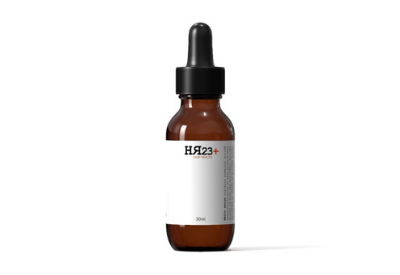
When used in a serum, KGF can help with poor scalp micro-circulation and follicle atrophy caused by dihydrotestosterone (DHT), seasonal shedding, post-partum baldness, menopausal hair loss, and follicle ageing. KGF can compensate for loss of nutrients to the scalp brought about by poor blood irrigation.
HR23+ Serum
KGF won't perform miracles, but with continued use, it can help prevent excessive shedding, and maintain healthy hair growth in men and women experiencing early stages of hair loss. 

Pros: Its effectiveness and no side-effects. 
Cons: Potentially expensive over the long term.  


Micro Needling 

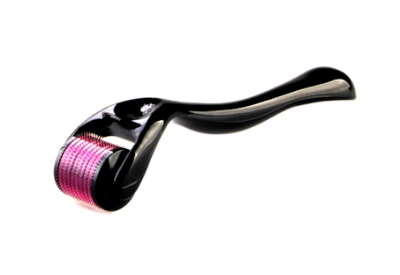
While used as an anti-aging skin treatment, micro needling has also been found to be a method of treatment for hair loss. There's even evidence that it can help a special type of hair loss known as alopecia areata. The same process of creating wounds in the skin is also thought to regenerate the health of the hair follicles, by producing protein and collagen. 
Micro needling for hair growth
Commonly used devices for micro needling are derma rollers and derma stamps. Although many men are seeing visible improvements in their hair from micro needling, more research and testing is needed to establish just how effective it actually is.

Pros: Its price. 
Cons: Unsure of its exact effectiveness.
 

Low Level Laser Therapy (LLLT)

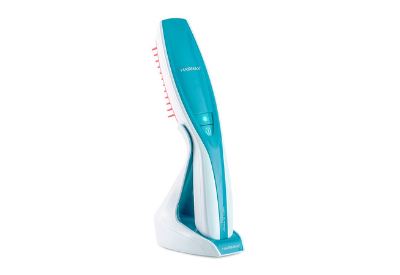
In the course of various studies, LLLT helped to slow down or even stop hair loss in 85% of patients undergoing treatment. Patients also saw new hair growth in 55% of the cases. LLLT does not work in cases where baldness has existed for many years, therefore it should be used for early stages of thinning. 

LLLT hair growth

For LLLT treatment, there is the option of either visiting a hair clinic for a professional session, or alternatively, you can purchase LLLT devices (infrared hair comb, laser brush etc.) and do it yourself from the comfort of your own home. 

Pros: Its potential effectiveness. 
Cons: It can be expensive over a continued period of time.

Hair Transplantation 

Hair transplantation is a surgical technique that removes hair follicles from one part of the body, called the 'donor site', to a bald or balding part of the body known as the 'recipient site'. The technique is primarily used to treat male pattern baldness.

hair transplant for men

Although hair transplants can be effective, it is still a long-term process, as most men need more than one transplant for the best results. However, many men are resorting to hair transplants in recent years because they have become more accessible, and more affordable. The standard has also risen. 

Pros: Its effectiveness. 
Cons: Vey expensive, and still not guaranteed to work.

Conclusion

Hair loss affects most men, but that doesn't mean to say it can't be treated. Unless you are suffering from more advanced stages of hair loss (Norwood 4+), then halting the pattern should be achievable. 

Treating hair loss is usually a complex issue, because the effectiveness of different treatments tends to vary from person-to-person. Also, treating hair loss with multiple treatments is usually an effective solution. 

Most of the treatments mentioned in this post can be combined to help prevent hair loss, and support health hair growth. For example, a popular treatment plan for men is; 
  • Apply minoxidil twice daily, six days a week. 
  • Use Nizoral once a week 
  • Micro needle with 1.5mm derma device once a week
  • Take HR23+ daily, seven days a week. 
A good treatment plan, along with a healthy diet and lifestyle, can do absolute wonders for your hair, so, unless you need to go down the hair transplant route, always remember, male pattern baldness can be minimised, both safely and effectively. 
HR23+

HAIR LOSS AWARENESS MONTH


Here is everything you need to know about Hair Loss Awareness Month, and how can it benefit you and your hair

August is National Hair Loss Awareness Month, and to we want to use this opportunity to talk about the topic of baldness and thinning hair.

Firstly, you are probably wondering what Hair Loss Awareness Month actually is.  Well, it's quite simple, really. Hair Loss Awareness Month occurs every August, for the full four weeks, and it is simply the time of year that is dedicated to educating people about the topic of hair loss.

It's not just about raising awareness, it's also a time when major hair companies promote their brands, products and treatments to men and women who suffer from the devastating effects of thinning hair.  Hair Loss Awareness Month offers hair loss sufferers a real opportunity to educate them selves on the subject, and find the best possible treatment.

Some facts about male baldness

Male pattern baldness (a.k.a. androgenetic alopecia) is the most common form of hair loss and accounts for more than 90% of hair loss in men. Androgenetic alopecia affects over 60% of men by the age of 35.  Two out of three guys will start to lose their hair in their 30s, and 80% of men have significantly thinning hair by the time they’re 50.

What causes hair loss?

Genetics, mostly. Genetic predisposition can actually come from either side of the family. Hormonal changes, medical complications, diet, stress, and medications can also do the trick.  Even temporary forms of hair loss can be caused by common factors such as seasonal hair shedding.

What doesn’t cause hair loss?

There are plenty of myths flying around, particularly over the internet, but in truth, most theories about causes of hair loss are pretty false. Over shampooing, wearing hats, constant masturbating, high levels of testosterone, and brushing your hair, are all made up theories that do not cause hair loss.

If you are already prone to hair loss, then yes, some of these things won't help the cause, and can in fact quicken the thinning, but if you are losing hair, it isn't because of those factors initially. 

What is the best treatment for hair loss?

Science has made huge strides at understanding and treating male pattern baldness, but we still don’t understand the root causes of what makes you lose your hair. So, unfortunately, there’s no known cure for male pattern baldness — but there are ways to effectively treat the symptoms of hair loss.

There are currently only two medically approved treatments for baldness, which are Finasteride and Minoxidil. However, they do come with the risks of nasty side-effects, so we would always advise you to look for more natural, safer, an healthier options such as HR23+ and KGF Serum. 

header image of HR23+ advert for hair loss


HOW TO TREAT HAIR LOSS SAFELY AND NATURALLY


How to best tackle the devastating effects of baldness and thinning hair, safely, naturally and effectively.

Guest post by Ben Bianchi.

Going bald was never an option for me, and certainly not while I was still in my twenties. But noticing my hair beginning to fall out at the age of just 24, really made me sit up and take action.

I am now 31, and I have been treating baldness for over six years.  I would say, certainly in comparison to most men, I have done a good job in steadying the pattern of fall, and maintaining a good head of healthy hair growth.

I honestly believe, had I not treated the problem early, I would now have much less hair on my scalp. Finding a hair loss treatment plan early, has enabled me to slow down the rate of hair fall, and increase the strength and condition of hair growth.

Here, I'll go through my treatment plan, and what products worked for me. I was always keen to avoid chemically enhanced treatments, so all the products I use are safe and natural.

Shampoo for strengthening hair

With very little knowledge about hair loss treatments, my first thought was to find a shampoo that could help strengthen my hair, thus making it less likely to fall out. Now, I know fully well that there is no scientific evidence backing the theory that baldness can be treated with shampoos, but, a good hair strengthening shampoo can be very handy if you have naturally thin hair, like me.
Due to its blend of biotin and collagen, I went for the OGX Biotin & Collagen Shampoo. It's not a miracle worker, but this shampoo has definitely helped me maintain some much needed volume to my hair. Keeping my hair strong is essential, because I have naturally weak hair, and this can be prone to breakage and fall-out, which is a nightmare if you are trying to prevent hair loss.

Topical serum to stimulate hair growth

My next task was to find something that could help prevent the rate of shedding, and stimulate hair growth.  I looked into topical solutions, and the main one that kept popping up was Minoxidil. Minoxidil is a medically approved treatment for hair loss, but it's not natural, and it does come with some potentially harsh side-effects.
So, I looked into some natural serums, and after considering a fair few, I opted for HR23+ Scalp Therapy Serum. This safe and natural formula is packed with hair beneficiary ingredients that can help prevent hair loss and encourage healthier hair growth. I have been using this serum for about four years, and I have been very pleased with it.  This serum seems to have stopped the shedding, and helped strengthen my strands.

Massaging the scalp for hair growth

I did a lot of reading about how scalp penetration and can help stimulate hair growth. I looked at derma rollers, and vibrating massaging devices, but I wanted something a little more valid.

So, I booked myself into some Indian Head Massage Therapy, just to see how effective it could be for my thinning hair.  I have definitely noticed some great results from this. My hair looks and feels much thicker, and I have definitely noticed less hair fall.  This, in conjunction with the shampoo and serum, has helped my hair considerably.  Currently, I have one head massage a week.

Hair Vitamins and Supplements 

What we eat is actually hugely important to our hair.  For the hair to thrive, we need to be loading our bodies with plenty of vital nutrients and minerals that benefit the strands. The problem is, it's impossible to get all these minerals into our daily diet through food alone.  So, that's why multi-vitamin hair supplements are so important.

There are a number of safe and natural multi-vitamin hair supplements available on the market. The most notable ones are Viviscal, Nutrafol, and HR23+.  I use HR23+, and I have been very pleased with the results it has given me. Since taking this supplement, I have noticed much less hair fall, and my strands have gone thicker and stronger.  If you suffer from early stages of thinning hair and you haven't tried multi-vitamin hair supplements, then I would highly recommend you do so.

Tips to tackle baldness

Just remember, there's no cure for male-pattern baldness, but some products and procedures can slow it down, and even prevent it. I have managed to dramatically slow down the rate of hair fall, and that's because I use a range of treatments that work best for me individually.  Results from using treatments of this nature will vary from person to person. 

It also helps hugely if you tackle hair loss as early as possible.  The earlier you treat it, the more chance you will have of getting on top of it.  I really can't stress that point enough.  Also, if you're particularly worried about thinning hair, and you are struggling to find something that works, then I would advise you see a specialist, who might be able to recommend some treatments for you. 

I am not a specialist in hair loss, and all the treatments I use are safe and natural. They are also available to purchase over the counter, with no prescription needed. The natural route is hugely important to me, but if you don't mind going down the medical route, with the potential risks of side-effects, then there are a couple of options available, such as Finasteride and Minoxidil. 

Hair loss is a pretty horrid thing to go through, but it's not something that can't be treated.  Just tackle it early, and don't give up.  If you want your hair for longer, then you'll need to fight for it, and trust me, the fight will be worth it!

HOW TO STOP HAIR SHEDDING DURING SUMMER


Summer hair loss in men CAN be prevented, and here's how... 

All men suffer from some form of seasonal hair loss, some more than others. Summer is one of the peak shedding phases for many of us, which would explain why you are noticing more hairs falling out during the hotter weeks of the year.

Women may also experience slightly higher levels of hair loss during certain seasons, although the Autumnal loss will be more noticeable.  Fear not though, because the majority of men regrow hair during the shedding phase, so the baldness will not be permanent.

However, seasonal shedding can be a real nightmare for men who have naturally thin hair, or are already prone to genetical forms of hair loss such as pattern baldness.  So, for those of you who are particularly worried about losing excess hair, here are a few handy tips to prevent hair shedding during the summer months...

Shampooing: Less is More

Firstly, we should note that shampooing your hair does not cause hair loss.  The thing is, if you shampoo your hair every day, it can do your strands more harm than good, especially if you suffer from severe shedding during summer season.

Overusing shampoo can make your hair thinner, so counteract this by reducing your shampooing to around 2-3 times a week. 

Embrace The Sun: Get Active

Your health should be the most important factor in your life, and like with any part of your body, the healthier you are, the more your body will give back.  Living an active lifestyle and eating good, high-protein foods, will only benefit your hair.

If you're prone to shedding at this time of the year, then be sure to get your body in the best possible shape for your hair to thrive.  It doesn't cost a penny!

Supplement Your Hair

For many of us, it is near impossible to get all the right nutrients and minerals into our bodies every day, and that is where multi-vitamin hair supplements come in handy.  Popular hair growth supplements like HR23+ and VIVISCAL can give your body all the right vitamins it needs for your hair to grow.

If you suffer from hair loss and thinning hair, then these types if supplements should be taken all-year-round, but they are hugely beneficial when taken during the seasons you tend to shed the most hair.

Protect Your Strands: SPF 

The sun is the biggest cause of hair loss during summer season. Constant exposure to the harmful rays not only burn your skin, but can also damage your hair and cause severe breakage. The heat also causes excess sweating, which is not good for your locks.


Be sure to get yourself an SPF moisturiser and apply it to your hair during the day time.  This will help protect your hair from the rays of the sun, and prevent damage which leads to unnecessary hair fall. 

Stay Hydrated

We can't stress enough how important it is to stay hydrated, especially in the summer, not just for your hair, but for your whole body.  Drink lots of water and give your locks the best chance to thrive when it needs it most.