Showing posts with label male pattern baldness. Show all posts

LOSING YOUR HAIR? HERE'S WHAT WORKS FOR MEN IN 2026

# Losing Your Hair? Here’s What Actually Works for Men in 2026  Hair loss is one of the most common grooming concerns for men, but the industry surrounding it is packed with exaggerated claims, miracle cures and expensive products that often do very little.  So, what actually works?  If you've noticed your hairline receding, thinning around the crown or your hair simply isn't as dense as it used to be, these are the options worth knowing about in 2026.  ## 1. Minoxidil  Minoxidil remains one of the most established treatments for male pattern hair loss and, alongside finasteride, is recognised by the NHS as one of the main treatment options for male pattern baldness.  Usually applied directly to the scalp as a liquid or foam, minoxidil can help maintain existing hair and stimulate growth in some men.  The downside? You need to be consistent. Results vary and the benefits generally only last while you continue using it.  **Verdict:** ★★★★☆ Still one of the first options men with early-stage thinning should consider.  ## 2. Finasteride  Finasteride tackles male pattern baldness from a different angle by reducing the conversion of testosterone into DHT, the hormone heavily involved in male pattern hair loss.  It can be highly effective, but it isn't something we'd recommend taking casually.  The UK's MHRA strengthened its finasteride safety warnings in 2026, highlighting recognised risks including sexual dysfunction, depression and suicidal thoughts. Some reports of sexual dysfunction have persisted after treatment has stopped.  If you're considering finasteride, discuss the benefits and risks properly with a healthcare professional.  **Verdict:** ★★★★☆ Effective, but the potential side effects need serious consideration.  ## 3. A Good Hair Supplement  Hair supplements aren't medicines and shouldn't be sold as miracle cures for genetic baldness.  What a well-formulated supplement *can* do is provide nutritional support for normal, healthy hair, making them particularly appealing to men who want a non-medicated addition to their routine.  One of our longstanding favourites is **HR23+ Hair Restoration Supplement**. It's been available for more than a decade and combines a broad range of vitamins, minerals, amino acids and botanical ingredients in one daily formula.  For men reluctant to use prescription medication, HR23+ is an easy addition to a wider hair-maintenance routine.  **Verdict:** ★★★★☆ One of the better non-medicated options we've seen.  ## 4. Ketoconazole Shampoo  Don't overlook the scalp itself.  Ketoconazole shampoo is primarily an antifungal treatment rather than a standalone treatment for male pattern baldness, but keeping dandruff, inflammation and excessive scaling under control can help create a healthier scalp environment.  Use it as part of a routine rather than expecting shampoo alone to regrow a disappearing hairline.  **Verdict:** ★★★☆☆ A useful supporting player.  ## 5. Start Early  This might be the most important point of all.  Male pattern hair loss is progressive. If your temples have started creeping backwards or your crown is becoming noticeably thinner, don't wait until you've lost a significant amount of hair before doing something about it.  And if your hair loss is sudden, patchy or unusually aggressive, speak to your GP or a dermatologist rather than assuming it's ordinary male pattern baldness.  ## The Bottom Line  There still isn't a magic cure for hair loss in 2026.  For male pattern baldness, **minoxidil and finasteride remain the two principal established treatments**, although finasteride comes with important safety considerations.  For men who prefer a non-medicated approach, a sensible combination of **good nutrition, a quality hair supplement such as HR23+, proper scalp care and early intervention** can form a practical hair-maintenance strategy.  Whatever route you choose, consistency matters.  **The earlier you start looking after thinning hair, the more hair you potentially have left to protect.**

Losing Your Hair? Here’s What Actually Works for Men in 2026

Hair loss is one of the most common grooming concerns for men, but the industry surrounding it is packed with exaggerated claims, miracle cures and expensive products that often do very little.

So, what actually works?

If you've noticed your hairline receding, thinning around the crown or your hair simply isn't as dense as it used to be, these are the options worth knowing about in 2026.

1. Minoxidil

Minoxidil remains one of the most established treatments for male pattern hair loss and, alongside finasteride, is recognised by the NHS as one of the main treatment options for male pattern baldness.

Usually applied directly to the scalp as a liquid or foam, minoxidil can help maintain existing hair and stimulate growth in some men.

The downside? You need to be consistent. Results vary and the benefits generally only last while you continue using it.

Verdict: ★★★★☆
Still one of the first options men with early-stage thinning should consider.

2. Finasteride

Finasteride tackles male pattern baldness from a different angle by reducing the conversion of testosterone into DHT, the hormone heavily involved in male pattern hair loss.

It can be highly effective, but it isn't something we'd recommend taking casually.

The UK's MHRA strengthened its finasteride safety warnings in 2026, highlighting recognised risks including sexual dysfunction, depression and suicidal thoughts. Some reports of sexual dysfunction have persisted after treatment has stopped.

If you're considering finasteride, discuss the benefits and risks properly with a healthcare professional.

Verdict: ★★★★☆
Effective, but the potential side effects need serious consideration.

3. A Good Hair Supplement

Hair supplements aren't medicines and shouldn't be sold as miracle cures for genetic baldness.

What a well-formulated supplement can do is provide nutritional support for normal, healthy hair, making them particularly appealing to men who want a non-medicated addition to their routine.

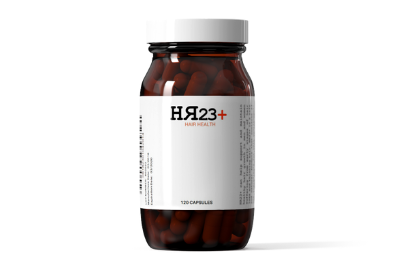
One of our longstanding favourites is HR23+ Hair Restoration Supplement. It's been available for more than a decade and combines a broad range of vitamins, minerals, amino acids and botanical ingredients in one daily formula.

For men reluctant to use prescription medication, HR23+ is an easy addition to a wider hair-maintenance routine.

Verdict: ★★★★☆
One of the better non-medicated options we've seen.

4. Ketoconazole Shampoo

Don't overlook the scalp itself.

Ketoconazole shampoo is primarily an antifungal treatment rather than a standalone treatment for male pattern baldness, but keeping dandruff, inflammation and excessive scaling under control can help create a healthier scalp environment.

Use it as part of a routine rather than expecting shampoo alone to regrow a disappearing hairline.

Verdict: ★★★☆☆
A useful supporting player.

5. Start Early

This might be the most important point of all.

Male pattern hair loss is progressive. If your temples have started creeping backwards or your crown is becoming noticeably thinner, don't wait until you've lost a significant amount of hair before doing something about it.

And if your hair loss is sudden, patchy or unusually aggressive, speak to your GP or a dermatologist rather than assuming it's ordinary male pattern baldness.

Conclusion

There still isn't a magic cure for hair loss in 2026.

For male pattern baldness, minoxidil and finasteride remain the two principal established treatments, although finasteride comes with important safety considerations.

For men who prefer a non-medicated approach, a sensible combination of good nutrition, a quality hair supplement such as HR23+, proper scalp care and early intervention can form a practical hair-maintenance strategy.

Whatever route you choose, consistency matters.

The earlier you start looking after thinning hair, the more hair you potentially have left to protect.

before and after hair growth hr23 ad

MALE PATTERN BALDNESS: WHAT ARE THE BEST TREATMENTS?

Male Pattern Baldness


It is no coincidence that hair loss is, by some distance, the most popular topic of interest on this website. Hair loss in men is a lot more common than you might have thought. Did you know that over 65% of men will experience some form of hair loss by the time they hit 40? And it doesn't end there, because over 80% of men will suffer from hair loss by the time they reach the age of 60. 

Now, as we age, our hair becomes thinner, and although thinning doesn't always necessarily lead to complete baldness, it's extremely rare for any man to have the same density of hair in his 50s, as he did when he was in his 20s. Unfortunately, thinning hair is just a normal occurrence that comes with age. 

The most common type of hair loss in men is male pattern baldness, but unfortunately for over half of men who are suffering from it, there isn't a cure. However, it's not all doom and gloom, because, with science evolving year-by-year, the market is packed with hair loss treatments, and some of them can actually be quite effective. 

Treating Hair Loss: What Are Your Options?

So, without a cure for male pattern baldness, let's look at the next best thing(s). Let's explore the best options to treat hair loss safely, effectively, and efficiently.

Finasteride

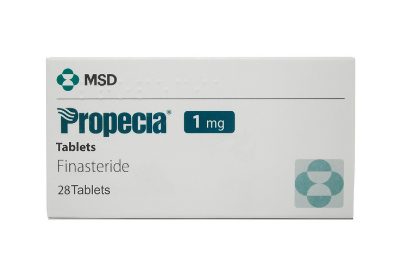
Finasteride is sold under the brand names Proscar and Propecia among others. It a prescription medication used to treat hair loss and benign prostatic hyperplasia in men. It can also be used to treat excessive hair growth in women and as a part of hormone therapy for transgender women. It is taken by mouth.

Finasteride has shown to be effective in 7 out of 10 men, but only on a small scale. With continued use, finasteride can help halt hair loss. It does not regrow lost hair, therefore it should be taken by men who suffer from earlier stages of hair loss. 
Finasteride for hair loss
As effective as finasteride can be, there is also the risk of negative side-effects. Some users have reported negative side-effects such as; erectile dysfunction, low libido, skin rash, depression, feminisation, breast soreness, breast swelling, and fatigue. So, be sure to carefully consider finasteride before taking it. 

Pros: Its effectiveness and price. 
Cons: Negative side-effects, and it needs to be used long-term. 

Minoxidil

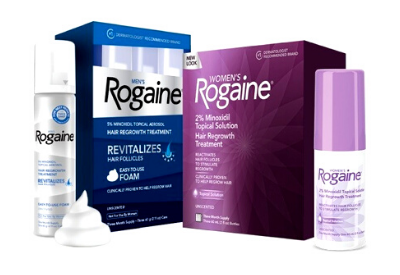
Minoxidil, sold under the brand name Regaine (Rogaine in the US) among others, is a medication used for the treatment of high blood pressure and pattern hair loss in males (5% solution) and females (2% solution). It is currently the only topical treatment that is medically approved for hair loss. 

Minoxidil can help slow down hair loss, but it can also help regrow hair - albeit to a limited scale. Again, for the best results, minoxidil should be used for patients experiencing early stages of hair loss. The treatment will be ineffective for more advanced stages of baldness. 

Minoxidil for hair loss

Because it is a medication, minoxidil can also give negative side-effects. Common side-effects reported from using the topical solution include; headaches, dizziness, fatigue, weight gain, skin rash, and itchy scalp. It is always recommended that you speak to your doctor before using any medication.

Pros: Its price and accessibility. 
Cons: Negative side-effects, and it needs to be used long-term. 

Ketoconazole 

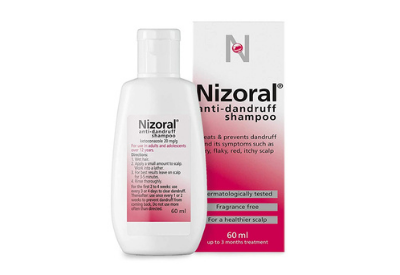
Ketoconazole, most commonly sold under the brand name Nizoral among others, is an antiandrogen and antifungal medication used to treat a number of fungal infections. Applied to the skin it is used for fungal skin infections such as tinea, cutaneous candidiasis, pityriasis versicolor, dandruff, and seborrheic dermatitis.

Ketoconazole has also been found to help prevent the effects of hair loss, and help promote the function of hair growth. Using Nizoral just once a week, in conjunction with other hair treatments, has been found to deliver promising results. 
Nizoral hair growth

Ketoconazole can also give harsh side-effects, with the most common complaints being; tightness in chest or throat, short of breath, slight swelling on the tongue, and itchy scalp. These symptoms are rare, though, and usually occur from the oral pill form. The topical shampoo much less so. 

Pros: Its price and accessibility. 
Cons: Potential side-effects, and its effectiveness is limited. 

Multi-Macro Hair Supplement

Multi-macro hair supplements, like HR23+, are growing hugely in popularity among men and women for a couple of simple reasons; Firstly, these hair supplements can be effective in preventing excessive hair loss, and supporting the function of healthy hair growth in men and women, and secondly, they are a safe alternative to the harsh prescription drugs like finasteride, meaning you won't ever have to compromise on your health, or worry about negative side-effects. 
HR23+ hair loss treatment
Perhaps underrated, somewhat, hair supplements like HR23+ have helped men and women who are experiencing early stages of hair loss, maintain normal, healthy hair growth. With continued use, hair supplements can counter hair loss both quickly and effectively. 

Pros: Its effectiveness and no side-effects. 
Cons: Potentially expensive over the long term.  

Keratinocyte Growth Factor (KGF)

When used in a serum, KGF can help with poor scalp micro-circulation and follicle atrophy caused by dihydrotestosterone (DHT), seasonal shedding, post-partum baldness, menopausal hair loss, and follicle ageing. KGF can compensate for loss of nutrients to the scalp brought about by poor blood irrigation.
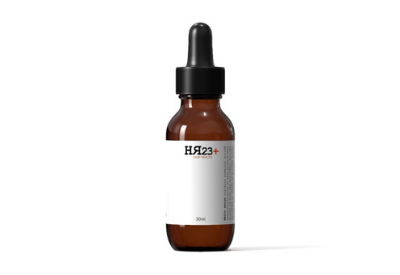
HR23+ Serum
KGF won't perform miracles, but with continued use, it can help prevent excessive shedding, and maintain healthy hair growth in men and women experiencing early stages of hair loss. 

Pros: Its effectiveness and no side-effects. 
Cons: Potentially expensive over the long term.  


Micro Needling 

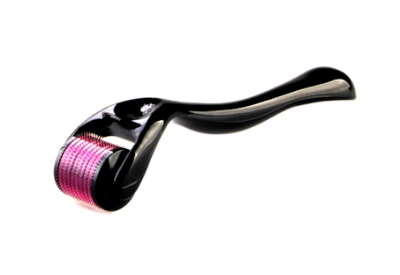
While used as an anti-aging skin treatment, micro needling has also been found to be a method of treatment for hair loss. There's even evidence that it can help a special type of hair loss known as alopecia areata. The same process of creating wounds in the skin is also thought to regenerate the health of the hair follicles, by producing protein and collagen. 
Micro needling for hair growth
Commonly used devices for micro needling are derma rollers and derma stamps. Although many men are seeing visible improvements in their hair from micro needling, more research and testing is needed to establish just how effective it actually is.

Pros: Its price. 
Cons: Unsure of its exact effectiveness.
 

Low Level Laser Therapy (LLLT)

In the course of various studies, LLLT helped to slow down or even stop hair loss in 85% of patients undergoing treatment. Patients also saw new hair growth in 55% of the cases. LLLT does not work in cases where baldness has existed for many years, therefore it should be used for early stages of thinning. 

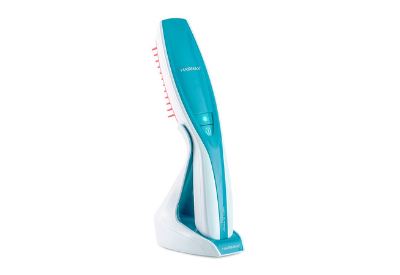
LLLT hair growth

For LLLT treatment, there is the option of either visiting a hair clinic for a professional session, or alternatively, you can purchase LLLT devices (infrared hair comb, laser brush etc.) and do it yourself from the comfort of your own home. 

Pros: Its potential effectiveness. 
Cons: It can be expensive over a continued period of time.

Hair Transplantation 

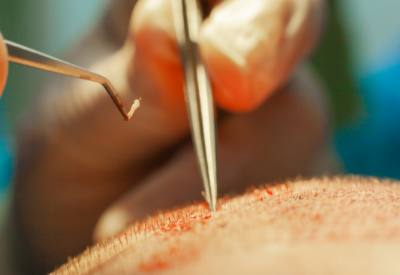
Hair transplantation is a surgical technique that removes hair follicles from one part of the body, called the 'donor site', to a bald or balding part of the body known as the 'recipient site'. The technique is primarily used to treat male pattern baldness.

hair transplant for men

Although hair transplants can be effective, it is still a long-term process, as most men need more than one transplant for the best results. However, many men are resorting to hair transplants in recent years because they have become more accessible, and more affordable. The standard has also risen. 

Pros: Its effectiveness. 
Cons: Vey expensive, and still not guaranteed to work.

Conclusion

Hair loss affects most men, but that doesn't mean to say it can't be treated. Unless you are suffering from more advanced stages of hair loss (Norwood 4+), then halting the pattern should be achievable. 

Treating hair loss is usually a complex issue, because the effectiveness of different treatments tends to vary from person-to-person. Also, treating hair loss with multiple treatments is usually an effective solution. 

Most of the treatments mentioned in this post can be combined to help prevent hair loss, and support health hair growth. For example, a popular treatment plan for men is; 
  • Apply minoxidil twice daily, six days a week. 
  • Use Nizoral once a week 
  • Micro needle with 1.5mm derma device once a week
  • Take HR23+ daily, seven days a week. 
A good treatment plan, along with a healthy diet and lifestyle, can do absolute wonders for your hair, so, unless you need to go down the hair transplant route, always remember, male pattern baldness can be minimised, both safely and effectively. 
HR23+

NEW HR23+ HAIR SUPPLEMENT TESTER POUCH


HR23+ hair health supplement 'tester pack' available soon... 

Behold, Europe's fastest growing hair growth pill just got wiser with its latest addition to the line - the new tester pouch, containing 28 capsules, giving you a one week supply.

HR23+ quoted "Although HR23+ is safe to use and free from major side-effects, there are quite a number of men and women who want to test the product first before committing to larger purchases. The new tester pouch will give users a fairly clear idea of the product, and for just £10."

For those of you who don't know, HR23+ is a potent hair supplement that is designed to help prevent hair shedding, caused by common forms of alopecia like male and female pattern baldness. HR23+ can also promote healthy hair growth.

This popular supplement is one of the fastest growing products of its kind on the market, and it comes with the most impressive reviews, with over 89% of users satisfied with the results. 
image of HR23+ hair growth capsules
For more information on HR23+ hair health supplement, you may want to read some of our other articles on it:

Stop Hair Loss With The Fastest Growing Pill In Europe
Supplement Watch: HR23+ Hair Restoration Tablets 
Supplement Of The Month: HR23+ Hair Growth Tablets

HOW TO PREVENT SEASONAL HAIR LOSS THIS AUTUMN


Many men experience severe hair loss as autumn begins to kick in, so we ask: what is seasonal shedding and how can it be prevented? 

Hair shedding often occurs in autumn season, but it doesn't usually last longer than a couple of months. It's normal to shed between 50 and 100 hairs a day. When the body sheds significantly more hairs every day, a person has excessive hair shedding. The medical term for this condition is telogen effluvium.

Seasonal hair loss is actually very common, and research suggests that most of us have slightly higher rates of telogen during the month of July. Telogen is known as a resting phase for the hair follicle, which means that the hair is extra prone to shedding and falling out. The second most common time for shedding is during the month of October.

What is a normal rate of shedding?

Most people have about 100,000 hairs on their heads and lose around 100 to 125 hairs per day. This amount can increase substantially during the phase of shedding.

One can lose up to five times the amount of hair in the peak of shedding phase, therefore the process should be very noticeable.

How can shedding be stopped? 

Luckily, the shedding process is not permanent, and so after 6-8 weeks your hair should go back to its normal state.  Unfortunately for hair loss sufferers (male pattern baldness), hair shedding can be quite damaging, and in many cases the amount of hairs lost are not retrievable.

Men who are going through any form of alopecia should take the right steps to try and prevent the rate of hair fall and increase the rate of hair growth.

What treatments can I use for shedding? 

Hair shedding can be treated with a number of different options.  A good hair care routine should be an essential part of your autumn grooming plan, so be prepared to add a few products to your current routine.

Multi-vitamin hair supplements like Viviscal, Nutrafol and HR23+ are excellent treatments to use all year round, but especially during shedding season. They offer your hair all the right nutrients and minerals for better hair growth and less hair fall.

Hair thickening shampoos and conditioners may sound great, but they tend to be ineffective.  However, the topical solution minoxidil could be worth considering if you are willing to risk the potential side-effects.

When will I experience the most hair growth?

Humans are much like animals in so many aspects of life, and hair loss is no exception. In a similar fashion to animals and their fur, we tend to experience the best rate of hair growth throughout the colder months of the year, to keep us warm.

This is why many of us tend to shed more during the hotter period of the year, in order to keep cool.

Ad.
hair growth products


AN ESSENTIAL HAIR CARE GUIDE FOR MEN

We often talk about men's seasonal skin care routines on The Male Grooming Review, but it's not often we go into detail about the importance of a men's hair care routine. Like with your skin, your hair also needs a well-groomed routine to get the very best out of its health and appearance. 

So, as requested by our readers, here are some handy hair care tips that'll help you get the very best out of your hair throughout the whole year... 

Wash your hair every other day
Yep, that's right, you heard it here first - by washing your hair every other day, you are relieving your locks from the constant stress that shampooing and conditioning can have on your hair on a daily basis. Over-washing your hair can lead to it looking thin. 


Don't overuse hairstyling products
It's a common mistake many men make, and it's one that you should seriously avoid if you really want to get the very best out of your hair. Overloading your hair with product is not a great practice, as gunky hairstyling products can leave your hair looking greasy, flat and dirty. Opt for more natural hairstyling products and use as little as possible. Trust us, a little should go a long way with any hairstyling wax, clay, gel or spray. 


Always blowdry your barnet
Ok, let's get one thing straight - blowdrying your hair does not lead to premature hair loss. So, if you want to add some extra thickness to your hair, then partially dry your hair with a towel straight after your shower, then add a tiny amount soft matte textured clay to your hair, rubbing in evenly. Blowdry your damp hair whilst running your hands through your locks to add texture and depth to your fuzz. Once your hair is fully dry, you can then style your thick locks pretty much the way you like. 


Worried about hair loss?
With over 7 million men set to suffer from hair loss by the time they reach 40 in the UK alone, we understand not all men are blessed with a full head of hair. But fear not, because despite what some doctors and balding experts may tell you, hair loss can be slowed down and prevented without the need to fork out on expensive surgical procedures. 


The hair loss market is thriving more than ever, but not all balding treatments do as they claim on the bottle. Choose a natural supplement or topical formula that contains key hair beneficiary ingredients such as saw palmetto, biotin and green tea extract. Additives like these can help strengthen your hair and block the dreaded formation of DHT (the cause of male pattern baldness). Remember, the earlier you act, the better chance you'll have of retaining a thicker head of hair in the long run. 

hair care supplement

CAN WEARING A HAT CAUSE HAIR LOSS?

Vast amounts of men wear hats. Baseball caps, top hats and beanies are just a few of the common head wearing trends that dominate much of the fashion and sport industry, and the hat wearing trend isn't about to stop anytime soon. But can wearing a hat cause hair loss

The simple answer to this question is no. Wearing a hat of any kind does not cause men or women to go bald. Hair loss is caused by a number of different factors, the most common of which is male pattern baldness. Although, wearing a hat regularly can lead to hair damage, especially if worn quite tightly, any form of head gear will not lead to receding hairline or thinning scalp. 

So, fear not, gents, wearing your stylish hat will not cause baldness. In fact, wearing hats does have its benefits for your hair - especially in the summer time. Harmful rays from the sun can lead to hair follicle damage, therefore wearing a hat can block these rays, leaving your hair fully protected. 

hair growth product

WHY ARE MORE YOUNG MEN GOING BALD?

Guest post by David Langer

Why does it seem like more and more young men in their 20s are losing their hair more rapidly than past generations? Is this really happening or is this a mere configuration of our imagination? 

Having been on Facebook for over ten years (I am now 29), naturally I have a large group of friends on there, many of whom I went to school and college with. From my friends on Facebook, around 275 are male, most of whom are around my age. 

Now, having noticed this trend by fluke, I would estimate that over 50% of my male friends have either started to recede or are on their way to baldness before they even reached 30. I found this quite surprising, especially considering male pattern baldness is meant to be something that affects the minority of men. 

According to some statistics floating around the internet, over 60% of men will suffer from some form of hair loss by the time they reach their 40s. Isn't that just crazy? Surely that can't be true, cant it? It would certainly explain why so many of the men in my social networks seem to be losing their hair at such young ages. 

So are more men actually going bald? 

Unless a very large scale study is performed to compare the men of today to the men of yesteryear, this is a question that we cannot answer accurately. If this is actually the case, then I have a few theories that may explain why. 

Society has changed from 20 or 30 years ago, with dramatic changes in lifestyles, diets and health routines. Even though the main cause of male pattern baldness is genetics, it's no secret that stress can play a huge role in losing hair. It's common knowledge that an increasing amount of young men are suffering from stress more than our past generations ever did. Could this be a valid reason why a large amount of men are losing their hair so early in life? 

Also, due to the technological factor, our diets and lifestyles have changed dramatically, therefore this could play a huge part in the rapid increase of balding in young men. Are we giving our bodies the right amount of key vitamins and nutrients to sustain healthy hair growth? 

Based on the theory of genetics, perhaps too many of today's young men have been unfortunate enough to be a part of the wrong genetic pool, of which has cost them their full head of hair at such an early point in their lives.


Can hair loss be treated or cured?  
hair
I am not an expert in the field of hair loss, but I know for a fact there is no cure for hair loss, as the market currently stands. The hair loss industry is worth billions of pounds, so it seems pretty evident that many brands and companies are all wanting a big slice of the lucrative cake. But how many of these 'treatments' on the market actually work, and what is it that they actually claim to do? 

Like I said, I am not an expert in hair loss of any kind, so don't quote me on this, but having done a little research of my own and spoken to the majority of my male friends on Facebook who are suffering from balding, it seems there are indeed options, in the way of products and treatments, that can enable men to slow down and even prevent baldness. 

The affordable treatments for hair loss tend to come in two main forms: the oral tablet/pill, and the topical solution. Some guys use one type of treatment and other guys prefer to go for the double combo. Herbal tablets and pills tend to be the most popular form of treatment, as some of them provide the body with key vitamins and nutrients for hair health. Topical solutions come in the way of serums, shampoos, foams and oils that can penetrate into the scalp and revitalise weak hair follicles. 

The only FDA approved hair loss treatments are Minoxidil (a topical solution) and Finasteride (Propecia), but these two products tend to come with nasty side-effects, so try to avoid these two if you can.


Are men actively looking for hair loss solutions? 


Of my male friends who I spoke to, I would say only around 10% are trying to do something about their hair loss problem. The vast majority of guys were perfectly accepting of the fact they were going to lose their hair by the time they reached 40, but none were particularly pleased about this. 

To me at least, and many of you I am sure, it does seem like an ever increasing amount of men in their 20s are suffering from balding and thinning hair. We look at the older generation of men in their 40s and 50s, and so many of them seem to have thick hair and strong hairlines. Could this be pure coincidence or is there some truth in this observation? 

The main thing to take from this is that if you are a man in your 20s and you are losing your hair, it's always recommended to tackle the issue as quickly as possible. You really don't want to be entering your 40s with no hair on your head, filled with regret that you didn't at least try to do something about it sooner. 

So, if you're ploughing through the Norwood Scale, then go to your doctor for some advice. If, like many men, you're a little embarrassed to talk to your doctor about your hair loss, then do some research, try some natural products and treatments, and start your battle with hair loss as soon as possible. The earlier you start, the more chance you'll have of retaining a decent head of hair when you creep into your 40s. 

image of male hair loss treatment