Showing posts with label Finasteride. Show all posts

FINASTERIDE HAIR LOSS TREATMENT PILLS: WHICH BRAND SHOULD YOU TRY?

which brand of finasteride is the best?


Finasteride brands: What's the difference, and which one should you use for treating male baldness?

Finasteride is a medication primarily used for the treatment of enlarged prostate (benign prostatic hyperplasia) and male pattern baldness (androgenetic alopecia). It's available under various brand names depending on the manufacturer and the region.


Some common brand names for finasteride include:

Propecia: This is one of the most well-known brand names for finasteride and is primarily used for treating male pattern baldness.

Proscar: This brand name is often used for the treatment of enlarged prostate (benign prostatic hyperplasia).

Finpecia: This is another brand name used for finasteride, and it's commonly used for treating hair loss.

Fincar: Fincar is a brand name used for finasteride and is sometimes prescribed for hair loss and benign prostatic hyperplasia.

Finalo: Finalo is a brand name for finasteride and is used for treating hair loss.

Folcres: Folcres is a brand name used for finasteride and is often prescribed for hair loss.

Finax: Finax is another brand name for finasteride, commonly used for hair loss treatment.

It's important to note that the availability of these brand names may vary depending on your location and the pharmaceutical companies operating in your region.

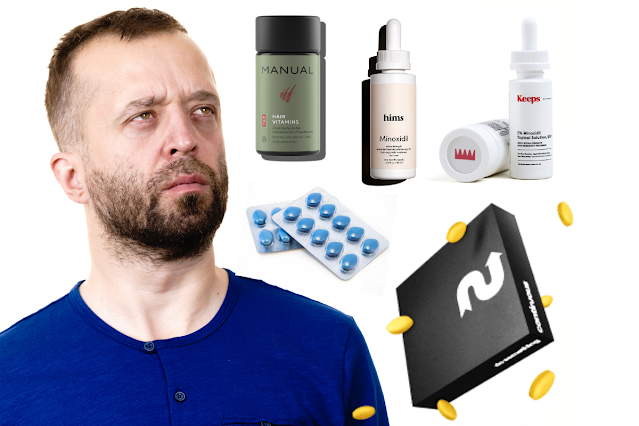
Since it was made legal to prescribe and sell finasteride online, there has been a number of brands that have come onto the market. Some of the most well known ones are; Hims, Manual, Roman, Keeps, and Numan.

It should be noted that finasteride is the actual drug that is being sold. The only difference between all these companies is the branding. You are getting the same product, only branded (and priced) varyingly, depending on which brand you go for.

Despite being able to purchase finasteride online, it should be noted that it is still a medication, and like with any medical drug, there are risk of negative side-effects, some of which can be long lasting, and very serious.

Some common side-effects from using finasteride include:

Sexual Side Effects: Some individuals may experience changes in sexual function, including decreased libido (sex drive), erectile dysfunction, and reduced semen volume. These side effects are generally considered reversible and tend to improve after discontinuing the medication, but they can persist in some cases.

Breast Tenderness or Enlargement: Some individuals might experience breast tenderness, swelling, or enlargement while taking finasteride. This is due to the medication's impact on hormonal balance.

Allergic Reactions: Allergic reactions to finasteride are rare but possible. Signs of an allergic reaction can include rash, itching, swelling, severe dizziness, and trouble breathing. Seek medical attention if you experience any of these symptoms.

Depression and Mood Changes: Some people have reported experiencing changes in mood, including depression and anxiety, while taking finasteride. However, the link between finasteride and mood changes is not fully understood and requires further research.

Other Side Effects: Other potential side effects of finasteride might include headache, dizziness, skin rash, testicular pain, and changes in liver function tests. However, these side effects are generally less common.

Always consult a medical professional before starting any medication, including finasteride, as they can provide guidance based on your individual medical history and needs.

What's the safe non-medical alternative to finasteride? 

Effective non-medical hair loss treatments tend to be few and far between, but there are still a couple of safer options that you may want to consider. 

Hair supplements tend to be the most obvious alternative to medications like finasteride, and despite most of them being ineffective, there are a few on the market that can help with hair loss prevention, and support the function of healthy hair growth. 

If you are looking for a supplement to help treat early stages of hair loss, then opt for a supplement that is rich in key extracts that have been shown to act as antiandrogens, and block the formation of DHT.

Multivitamin supplements are good for the hair, but they alone will not stump hair loss to any great level. Hair supplements that are rich in potent extracts (as well as some vitamins) such as E3Hp and HR23+, will offer you the safest and best alternative to finasteride. 

HR23+ is a leading, non-medical hair supplement that contains key additives that work at the root cause of hair loss. 85% of male users noticed visible improvements in their hair within just 4-12 weeks. 

Learn more about HR23+ and what it can do for your hair.
safe alternative to finasteride

FINASTERIDE MALE BALDNESS TREATMENT PILL OVERVIEW

finasteride for men hair loss treatment


Finasteride, sold under the brand names Proscar and Propecia among many others, is a oral medication pill used to treat hair loss and benign prostatic hyperplasia in men. Finasteride is a 5α-reductase inhibitor and therefore an antiandrogen.

Finasteride has shown to be effective as a hair loss prevention treatment for male pattern baldness. In rare cases, finasteride can also aid in hair regrowth, but this is rare.

Like with any drug or medication, finasteride does come with the risk of side-effects. Side-effects from using finasteride can include; low libido, erectile dysfunction, fatigue, breast enlargement, skin rash, feminisation, and depression.

You should speak to your doctor before taking finasteride or any other medication.

There are some safe alternatives to consider, such as non-medical hair supplements like HR23+®, but the effects will vary from person-to-person. 

Non-medical hair supplements can be effective for hair loss prevention in as many as 8 out of 10 men. There are no risks of negative side-effects, and they re available to purchase over-the-counter. 

Ad.

COMPLETE HAIR LOSS TREATMENT KIT BY NUMAN

complete hair loss treatment kit by Numan


Numan presents the complete hair loss bundle kit that targets male hair loss with clinically tested products.

The Complete Hair Kit combines two effective treatments for hair loss — minoxidil spray and hair loss tablets — which can reduce and reverse hair loss at the hairline and crown of the head.

Minoxidil Spray is a sprayable solution that helps to slow and reverse hair loss caused by male-pattern baldness. It can make hair appear thicker by increasing the diameter of the hair shaft, and improve scalp coverage by reversing the shrinkage of the hair follicles.

Minoxidil spray is sprayed directly onto patches of thinning hair to help stimulate hair growth, and daily oral tablets that can slow hair loss and improve scalp coverage.

Finasteride is a medically approved hair loss treatment tablet for men. One tablet a day is all that’s needed to treat thinning hair, encourage hair growth, and counter the effects of male pattern baldness.

It should be noted that these treatments do not reverse hair loss, and they can come with negative side-effects, so caution is advised. 

Ad.
hair growth treatments

TOPICAL FINASTERIDE FOR TREATING MALE BALDNESS

topical finasteride for male baldness


Is topical finasteride spray safe to use, and does it work?

Finasteride is most commonly as the hair loss treatment pill for male baldness, but now it is available as a topical solution, usually as a spray. 

Finasteride in pill form is generally considered to be an effective treatment for male baldness, however, it also comes with the risk of some potentially harsh side-effects, which many men are keen to avoid. 

Is topical finasteride safer to use than the pill, and how effective is it? 

In the same way as the pill, Topical Finasteride - reduces the levels of DHT in your scalp. A sensitivity to DHT causes your hair follicles to shrink, eventually leading to complete hair loss. 

Topical finasteride can significantly improve the hair count, and is considered to be quite well tolerated. Its effect is similar to that of oral finasteride, but with markedly lower systemic exposure and less impact on serum DHT concentrations.

There are many published studies currently that have proven topical finasteride to be effective in treating androgenetic alopecia (male pattern baldness). A systemic overview in 2018 of seven topical finasteride studies found an overall decrease in the rate of hair loss, an increase in terminal hair count, and positive hair growth assessment.

However, despite its success rate in treating male hair loss, the topical finasteride can also give negative side-effects, many of which are similar to the ones that are commonly associated with the pill. 

Although the side effects from the topical solution do not tend to be as severe as the pill form, the topical form can still causes negative side-effects such as sexual dysfunction, depression, and feminisation, although this is not as common as the pill's side-effects. 

However, the side effects are localised to the application site, for example, scalp pruritus, burning sensation, irritation, contact dermatitis, and erythema. This can prove to be a real irritant to some men, which is why they seek safer alternatives. 


Is topical finasteride better than minoxidil? 

Finasteride is the more clinically effective medication compared to minoxidil, however, finasteride can cause the far more severe sexual side effects such as decreased semen, erectile dysfunction, and reduced sexual desire. 

What is a safe, non-medical alternative to topical finasteride? 

The safest and most effective, non medical alternative to topical finasteride is keratinocyte growth factor (KGF) serum. KGF is a DIY active ingredient that can help promote the function of healthy hair growth by utilising the nutrients that contain prebiotics, polysaccharides and antioxidants to protect the cells that make hair.

KGF is an important endogenous mediator of hair follicle growth, development, and differentiation. Normalisation of the nu/nu follicular differentiation defect and amelioration of chemotherapy-induced alopecia.

KGF is most commonly used as a topical serum. 

Conclusion 

Topical finasteride can be an effective treatment for male hair loss, but it does not come without its risks. Much like with the pill, it is a case of weighing up the pros and the cons of using the solution. 

Topical finasteride can only be effective when used for early stages of male baldness (Norwood Hamilton 2-3). Topical finasteride will not work for more advanced stages of hair loss. 

There are some safer topical alternatives that can be used to tackle hair loss, like KGF serum, but results will vary from person to person. Whatever you decide to do, be sure to speak to your doctor, or to a trichologist, as a precautionary measure. 


hair growth solution for male hair loss


FINASTERIDE FOR MALE BALDNESS: IS IT SAFE & WHAT ARE THE SIDE EFFECTS?

finasteride for male baldness


What is Finasteride, is it safe, and what are the negative side-effects? Here's everything you need to know about the male baldness treatment pill.

Hair loss in men is rife, with over two thirds expected to experience some form of thinning hair by the age of 40. What's more, hair loss seems to be occurring more often in young men, and with no cure for male pattern baldness (androgenic alopecia), it's not about to go away any time soon.

Despite there being no cure for hair loss, it's not all doom and gloom, because there are some ways that it can be treated, to a certain extent. 

The growing demand for hair loss prevention products, especially from the young male population, has attributed to a £2 billion market size value. Some hair loss treatments can help with temporary hair loss prevention, but unfortunately the vast majority on the market tend to be ineffective. 

One of the most common, and well known male hair loss treatments is finasteride. Finasteride has become a go-to hair loss treatment for men of all ages, trying to combat the effects of male pattern baldness. 

Whilst finasteride has been shown to successfully slow down and even halt male pattern baldness in some patients, it also comes with its risks, and some of them can be pretty nasty. 

Let's look a little more closely into the pros and cons of finasteride, and then conclude whether it is worth trying.

What is finasteride? 

Finasteride, sold under the brand names Proscar and Propecia among others, is a medication used to treat hair loss and benign prostatic hyperplasia in men. It can also be used to treat excessive hair growth in women and as a part of hormone therapy for transgender women. It is taken by mouth.

Finasteride is the only orally consumed hair loss treatment that is medically approved. It is primarily used to combat early stages of male hair loss (Norwood Hamilton 2-3), and is said to have an 80%+ success rate. 

What are the negative side-effects from taking finasteride? 

Many men experience only minor side-effects from taking finasteride. But on the other end of the scale, some men suffer from horrific side-effects from using the treatment. Taking finasteride is most definitely a risk. 

It should be noted that the side-effects, and the extremity of the side-effects, varies from person to person. Some men may experience very minor side-effects, while there are other men who may experience more extreme and long term sides-effects. 

side effects from finasteride


Here are the potential negative side-effects from taking finasteride... 

Enlarged Breasts - Some men have reported tenderness and swelling in and around their chest, with increased size in breasts. This is likely down to the drug lowering testosterone levels, and feminising the male body. These effects can be long term, even after the patient has stopped using the treatment. 

Low Sex Drive - One of the more common side-effects of taking finasteride is a low sex drive. This can lead to a disinterest in sex, and a general low libido. 

Erectile Dysfunction - Using finasteride can lead to erectile dysfunction. Many men taking finasteride have lost their ability to get an erection, and in extreme cases, have become impotent. The scary thing is, this condition can be long term, or even permeant, even after the patient has come off finasteride. 

Numerous studies suggest that finasteride can have damaging effects on a man's sexual health, including decreased sex drive, erectile problems and a decreased volume of ejaculation. This is due to the alternation of hormones and lowering of testosterone.

Depression - Finasteride can cause many men to become depressed, paranoid, and anxious. Other spin-off side effects can include foggy vision and fuzzy thinking. These symptoms usually build up gradually, getting progressively worse. Men with mental health issues are strongly advised NOT to take finasteride. 

Skin Rash - Some finasteride users have reported outbreaks of spots within just a few weeks of using the drug. Spots and skin rashes usually occur in the initial stages of using the treatment, but they tend to clear up over time, however, some men experience longer term effects.

Headaches - A lot of men have reported getting regular headaches from using finasteride, and this often leads to dizziness, and nausea. Headaches tend to be minimal, but some men experience more severe forms of it. 

Feminisation - Finasteride causes certain male individuals to show symptoms of demasculinisation and feminisation after exposure. Androgens produce masculinization and estradiol (E2) and progestogens, like allopregnanolone (3ɑ,5ɑ-THP), produce feminisation. There is a shunting of metabolism via 5ɑ-R with finasteride.

Fatigue - Three studies have reported fatigue, lethargy, and listlessness in males who took finasteride for BPH or MPHL, although the cause of these symptoms could not be definitively attributable to finasteride. This usually stops after a few weeks, but some men can experience longer lasting effects.

Death - The US Food and Drug Administration's Adverse Event Reporting System database contains at least 36 death cases for finasteride. The aim of this study is to characterise the clinical histories and symptoms reported by a series of 6 suicide victims who took finasteride for treatment of androgenic alopecia.

Deaths have occurred, but it should be noted that this is very rare.

does finasteride work?


Does finasteride work? 

Remember, finasteride is not a cure for hair loss, and it does not reverse male pattern baldness. Finasteride can minimise/halt hair loss in men who are suffering from early stages of thinning hair. 

Finasteride can slow down, and even stop hair loss for a certain amount of time, but users should be aware that, in most cases, the drug is not safe to take over a long period of time. Once the patient stops using the drug, the hair will continue to fall out.

The majority of men who use finasteride have reported visible results. 

Should you use finasteride? 

Patients who are considering using finasteride should always be aware of the risks involved. Some of the negative side-effects can be severe, and long term/permanent, so it is absolutely crucial to proceed with caution. 

When deciding whether to use the drug or not, your decision should be based on the ratio of risk to reward. Finasteride is likely to help with hair loss prevention, but it is also likely to give negative side-effects, some of which can be severe. 

"Finasteride is far too easily accessible, these days. There was a time when the patient would have to get a prescription from the doctor in order to take finasteride, but now there are various online companies like Hims, Sons, Manual, Numan, Roman, Keeps, and so on, that prescribe the drug to young men, without a proper consultation. 

This can be very dangerous, because, at the end of the day, finasteride is a medical drug, and like with all drugs, it comes with potentially negative side-effects. Finasteride has now been made more accessible, but it is still potentially dangerous to take. 

We are now in a situation whereby many young men are taking finasteride, without caution. Many of these patients will suffer long-term side-effects, even after they come off the drug."

- David Griffiths, The Hair Loss Review Centre. 

Is there a safe alternative to finasteride?

If you are looking to avoid finasteride all its risks, then there are some safe alternatives to consider. It should be noted that, like with any treatment for hair loss, results will vary from person to person, and some minor negative side-effects may still occur.

The most obvious (and popular) safe alternative to finasteride would be to try a good multivitamin/multi-extract supplement like HR23+®.

HR23+® is designed to help prevent hair loss in men and women who suffer from early stages of baldness and thinning hair, most commonly in the form of pattern baldness.

HR23+® caters for the production of tyrosine, which is essential for the development and maintenance of hair follicle cells. This, in turn, helps build capillaries, which improves the blood flow to the scalp, thus stimulating hair growth.

This potent supplement also helps form lecithin, and helps protect hair follicle membranes. The HR23+® formula helps the development of hair cell growth, as well as blocking 5-alpha-reductase, an enzyme that converts testosterone to DHT (the cause of baldness in men).

HR23+® is safe to use, without the risk of any major negative side-effects. with HR23+®, you can tackle hair loss without compromising on your health and wellbeing. 

hair loss treatment for men

MEN'S HEALTH & WELNESS BRANDS COME WITH DANGEROUS HEALTH RISKS

men's health and wellness brands

Here's why the influx of men's health and wellness companies is causing more harm than good... 


The men's health and wellness sector has boomed in the last couple of years, with a host of brands popping up, such as Manual, Sons, Roman, and Numan, to name a few. 

This new generation of male "health and wellness" brands offer online treatments for hair loss, erectile disfunction and anxiety, along with an array of treatments for common male issues. But are they just playing into a harmful narrative of endless self-improvement?

One of these brands, Hims, came to market in 2017, and has since had over $200 million investment. You'd think that, with those sort of numbers, Hims would be far and away the market leader, but since its release, we've seen a bunch of brands pop up, pretty much identical to Hims. 

These subscription-based brands sell a mixture of pharmaceutical drugs and wellness products, packed with stats and figures that are purely aimed to push the products onto the consumers, with, shall we say, a lack of caution where needed. 

These brands, like Hims and Manual, offer the medical prescription hair growth drug, finasteride, and the erectile dysfunction treatment pill, sildenafil. They also sell some other products, but these two mentioned are the brand's main selling points.

These brands are pharmaceutical-focused, with the majority of their treatments being drugs, rather than cosmetics, or health vitamins. There's even talk of these brands launching treatments for weight-loss and acne, as well as stop-smoking products.  

Now, the problem isn't necessarily with the products themselves, because, as studies and cases have shown, these types of treatments have been medically approved, and therefore can work, to a certain extent. The problem with these brands is the way they promote their message. 


"These brands are dangerously misleading"


The pharmaceutical world was experiencing a crisis around some of its most popular drugs. In 2014 the patent for the hair-loss drug finasteride expired, while the patent for sildenafil – the generic name for the drug sold as Viagra – will be finished by 2020. 

The reason these brands have popped up 2017 is because Telehealth laws in the US changed, meaning that some pharmaceutical drugs could be prescribed by online doctors. Finasteride was one of those drugs. The hair loss treatment pill is now more accessible than it has ever been, which is not necessarily a good thing. 

The UK patent for Propecia (finasteride) expired in 2014, which meant that generic finasteride became available from other pharmaceutical companies. A generic medicine is a medicine which is the same as a branded original, but is prescribed and supplied by its medical name, rather than its brand name.

Trichologist, David Griffiths, says "Now that drugs like finasteride can be prescribed online, it has become easier than ever for men to get hold of the drug. We should not forget that finasteride is a medical treatment, and therefore still comes with risks. These risks seem played down, somewhat, and that can be very dangerous." 

It is said that around 80 to 90 per cent of the men buying these treatments have never used them before, and that many of them are buying it who don’t actually need it. To get the product, you have to fill out a detailed questionnaire and, and many men are not willing to be honest, and therefore are being prescribed drugs that they either do not need, or could cause them more harm than good. 

Doctors have already spoken out about the risk of such brands. Dr. P Jeyapaul said "Theses kinds of companies allow young men to self diagnose with issues like erectile, but actually, they have performance anxiety – a condition that is more widely linked to stress and body image issues than the physical problem that medication fixes. Therefore they are putting potentially harmful drugs in their body that aren't solving the issue."


"Self-diagnosing can actually cause more harm than good."


These male wellbeing companies are branding themselves as cosmetics, blurring the lines between pharmaceutical and health vitamins. Pharmaceutical treatments come with the risk of negative side-effects, like with finasteride - a large amount of men suffer from erectile dysfunction from using the drug.  The difference between a pharmaceutical pill and a multivitamin is huge, but these companies merge the two with their branding, which makes the treatments feel safer to take. 

We should make no mistake, the prime motive for these companies is to make money, and as much of it as possible. The customer's health is the least of their worries. Since the loosening of regulations in 2017, we've seen an explosion of male health and wellbeing brands flood the market, making treatments like finasteride and sildenafil more accessible than ever. 

The problem is, issues such as hair loss and erectile dysfunction are complex, and the treatments can cause horrific, long-term side-effects. It's a dangerous situation we are in, and as the industry continues to grow, this seems like a problem that's not about to go away any time soon... 


SAFE ALTERNATIVE TO PROPECIA: HR23+ HAIR LOSS TREATMENT


As part of our Hair Loss Awareness Month feature, we take a look at the FDA approved male hair loss treatment pill, Finasteride, and see whether there is a safe alternative to the prescription drug. 

Finasteride for male pattern baldness

Finasteride, which is most commonly branded as Propecia or Proscar, is a medically approved oral treatment pill for male pattern baldness. It blocks the action of an enzyme called 5-alpha-reductase. This enzyme changes testosterone to another hormone that causes the prostate to grow or hair loss in males. It will increase testosterone levels in the body, which decreases prostate size and increases hair growth on the scalp.

Finasteride can be effective in slowing down and even halting hair loss in men, however, there are risks of negative side-effects, and some can be quite severe. The most common negative side-effects from Finasteride are: low sex drive, impotence/erectile dysfunction, skin rash, headaches, alternation of mood, breast swelling, and feminisation. 


So, as you can imagine, a lot of men are not willing to take on the potential side-effects of Finasteride, which leads them to look elsewhere for safer alternatives. The question is, though: What is the best safe alternative to Finasteride? 

Is there a safer treatment than Finasteride for male pattern baldness?

Finasteride is the only oral treatment that is medically approved, so replacing it with something that is free from chemicals and harsh drugs, isn't an easy task. Finasteride has proved to be effective in treating hair loss, whereas natural alternatives offer varying results, and many need further testing. 

The most obvious alternative would be in the supplement form. Multi-vitamin supplements are fast becoming the most popular choice of product for hair health. They contain a broad range of anti-androgen ingredients, as well as hair growth promoters that combine to help slow down the rate of hair shedding, and increase the rate (and speed) of healthy hair growth. 

Multi-vitamin supplements are unlikely to give the same results as Finasteride, but even so, they still offer men (and women) a viable solution for treating hair loss to a certain extent. The problem is, there are quite a few multi-vitamin supplements on the market to choose from, so finding one that works best for you individually, can be a tricky task. 

Are multi-vitamin supplements good for hair growth? 

In all honesty, the vast majority of multi-vitamin supplements are unlikely to be effective in treating hair loss. This is usually down to the fact that most multi-vitamin supplements lack enough hair beneficiary ingredients to make much difference to the hair. Many of these types of supplements are rushed and put together too quickly, with the sole purpose of getting them onto shelves to make money. 


However, there are a few multi-vitamin supplements that can work well in slowing down hair loss, and helping with the maintenance of healthy hair growth. 

Market leading multi-vitamin hair supplements such as Viviscal and HR23+ have been carefully formulated, with each ingredient serving its purpose for the cause. They are pricier than your average multi-vitamin supplement, but like with anything in life, you generally pay more for better quality. 

What is the best multi-vitamin hair supplement? 

Of the two main ones mentioned, HR23+ would probably be regarded as the best on the market. It has a fine blend of anti-androgens and hair growth promoters that combine to help prevent excess hair shedding, and support the function of healthy hair growth in men (and women) suffering from early stages of baldness and thinning hair.

HR23+ contains key B vitamins (Biotin, Folic Acid, Niacin, Pantothenic Acid) that are primarily responsible for the development of hair cell growth, as well as the skin cells and nails. Ginkgo Biloba contains natural qualities which help generate hair growth by providing more nutrients to the hair follicles.

The combination of Stinging Nettle (Nettle Leaf Extract) and Green Tea Extract helps stump excess shedding and promotes hair regrowth. The potent extract of Saw Palmetto may block 5-alpha-reductase, an enzyme that converts testosterone to DHT (the cause of baldness). HR23+ combines a key blend of hair growth promoters and DHT blocking properties for optimal results.

Although potent, HR23+ is free from negative side-effects, and offers men a safe and effective alternative to harsh prescription drugs like Finasteride. 

Is HR23+ more effective than Finasteride? 

In studies, 80% of men taking Finasteride 1mg preserved their original hair follicle counts and 64 percent experienced some regrowth after two years of continued use. 

In a user survey taken by HR23+ in 2021, 48% of users noticed less hair fall, and 22% reported an improvement in hair thickness and texture. 

It is likely that you will experience more noticeable results from using Finasteride, but HR23+ can offer you a safe and effective alternative, should you wish to avoid the negative side-effects.  


NEGATIVE SIDE EFFECTS FROM FINASTERIDE / PROPECIA


The hair loss treatment sector continues to evolve, and the past few years has presented men with more options to treat baldness. With the advent of 5-alpha-reductase inhibitors such as Finasteride (Propecia), topical treatment therapies like Minoxidil (Regaine/Rogaine), anti-androgen multi-vitamin hair supplements, and the evolution of surgical hair restoration, for many, living with noticeable hair loss is no longer inevitable. 

Modern science has now made it possible to stop or slow the progression of hair loss, and for some, to even regrow lost hair, to a certain extent. However, with that said, hair loss is still an issue that affects over 65% of men before they reach the age of 40. Not all men respond well to treatments, and therefore treating baldness can be a more complex issue for some. 

It should be noted that, despite there being so many hair growth products on the market, the vast majority of advertised "treatments" do not work for the prevention and treatment of hair loss. For example, there is no shampoo that has been medically proven to treat baldness. In fact, only two treatments have been FDA approved, and they are Minoxidil (5% solution for men, and 2% solution for women) and Finasteride (a male treatment pill). 

Although many products are not medically approved, that's not to say they don't work. Some products on the market can effective in slowing down and stopping male pattern baldness, but they are few and far between.

One of the treatments that has been clinically proven to successfully treat hair loss in men to varying degrees, is Finasteride, which is commonly branded as Propecia or Proscar. 

Finasteride was originally developed by Merck as a drug to treat enlarged prostate glands (Proscar). During the trials on men with prostate problems an intriguing side effect of hair growth was observed. Since finasteride had already been approved by the FDA to treat enlarged prostates in men, Merck and Company decided to pursue the possibility of developing finasteride as the first pill to treat male pattern baldness.

On December 22, 1997 the FDA approved a 1mg dose of finasteride for the treatment of androgenic alopecia in men (male pattern baldness).

What are the negative side effects of Finasteride / Propecia? 

While Finasteride is generally well tolerated, as with all drugs, negative side effects can occur. Here are the most common negative side-effects that men have experienced from taking Finasteride.

Impotence

Finasteride has always been associated with sexual side effects, with one of the most common being impotence. In many cases, men continue to suffer from impotence, even after they've stopped using the drug, suggesting the possibility that the dysfunction may be permanent. In a clinical series, 20% of Finasteride users reported persistent erectile dysfunction. There have also been reports of men suffering with testicular pain. 

Lowered Libido

Continuing the sexual dysfunction theme, a vast amount of Finasteride users have reported a lowered sex drive. This commonly occurs in conjunction with erectile dysfunction. Male users have also reported having trouble orgasming, and abnormal ejaculation. 

Severe Swelling

Some users of Finasteride have reported severe swelling, particularly around their hands and feet. Finasteride can cause weight gain, with swelling being one of the main culprits. Swelling can also occur in the chest area, which can be quite painful. Swelling in the feet is also a side effect that can occur in the medically approved topical solution, Minoxidil. 

Breast Enlargement

One of the scariest side effects of taking Finasteride revolves around the chest. Many men have reported severe swelling around the chest area, with some cases of breast enlargement. Finasteride can cause the growth of breast tissue. While acknowledging this risk, the manufacturer tends to refer to it as “swelling,” which implies a temporary condition, or “enlargement,” which is somewhat vague

Dizziness, Headaches, Depression and Anxiety

Some of the possible side effects of taking finasteride 1mg include: depression or anxiety. dizziness, physical weakness, or feeling like you might pass out. Headaches are also common occurrences when taking the drug, and some of these side effects can last, even after discontinuation of the drug. 

Skin Rash

A small number of users have reported severe skin rash and discolouration, from using Finasteride. However, in most cases, symptoms tend to clear after discontinuing the drug. 

Feminisation

Finasteride causes certain male individuals to show symptoms of de-masculinisation and feminisation after exposure. Androgens produce masculinisation and estradiol (E2) and progestogens, like allopregnanolone (3ɑ,5ɑ-THP), produce feminisation. There is a shunting of metabolism via 5ɑ-R with finasteride.

What are the safe alternatives to Finasteride?

Whilst there are no other medically approved treatments than the two mentioned, there are certain products on the market that can help slow down and even half the fall of hair, both safely and with no negative side-effects. Deficiencies in specific vitamins can lead to hair loss or thin, brittle hair. Consuming enough of each vitamin in the diet may help keep the hair thrive. 

The most natural option would be to try a well established multi-vitamin supplement that contains anti-androgens. These are supplements that contain DHT blocking ingredients, such as Saw Palmetto, in conjunction with hair growth promoters like Vitamin B7. The market leaders include Viviscal and HR23+. 

Although multi-vitamin supplements are not medically approved to treat baldness, they do offer a much safer and natural way to combat excess hair shedding. They can be effective, and you won't ever be compromising your health or wellbeing. 

hair loss treatment for men

HIMS MEN'S WELLNESS BRAND LAUNCHES IN THE UK


The new men's wellness brand hits the UK with a range of products for hair loss and general health.

The men's wellness market has skyrocketed over the past few years, and with an ever increasing amount of male beauty brands hitting the scene. Hair loss and erectile dysfunction treatments are now huge business. In fact, the market for these treatments continues to grow at a staggering rate, and it doesn't look like stopping any time soon.

The hair loss sector alone is reported to be worth a colossal £2.5 billion, and sales of Viagra rocketed to well over £4 million in the U.K. in first few months after it finally became available over the counter. That's a huge increase for both markets since the transitional period of the noughties, when men's wellness and beauty was more of a taboo subject.


The men's hair loss market 
is worth over £2 billion


Now the UK has embraced the men's wellness and beauty culture, taking it to new unfounded territories at times.  And so it is no surprise to see the men's wellness brand, Hims, coming to these shores. The main question is: Does this brand offer us anything we don't already have?

What is Hims?

Hims is a well-established men's wellness brand in the USA, focusing on two main aspects of men's health - baldness and erectile dysfunction. The online personal wellness experts provide a one-stop-shop for men’s wellness and personal care needs, offering access to both Sildenafil (the active ingredient in Viagra) and Finasteride (a medically approved hair loss treatment pill) all from the comfort of your own home.

There’s an initial one-off medical consultation fee, which is there for regulatory reasons and because it’s important to have your order signed of by a medical expert, but after that you are ok to use the treatments. The brand will soon be offering a range of personal care products too, including antioxidant-packed immunity gummies, and a Vitamin C-rich Morning Glow Serum. But this is still unconfirmed.


What are the Treatments Hims offer? 

Tackling two of men's most private and worrying issues is noble, but it does seem rather dated.  People were, and still are, making a lot of money from selling hair loss treatments and Viagra type products. So, what's so new about Hims?

Well, nothing, actually.  If you strip back the brand to its core, you're left with Finasteride, Minoxidil, and Viagra. The thing is, Viagra is now legally sold over the counter, and Minoxidil is available to purchase over the counter, or even online with no prescription.  As for Finasteride, more commonly known as Propecia, this has been prescribed to men for years.  There isn't actually anything different or revolutionary that Hims offers the UK market.

The funny thing is, one of the most common side-effects from using Finasteride is erectile dysfunction. So, it seems a bit contradictory for a company to sell a hair loss treatment that potentially causes erectile dysfunction, of which is another treatment they offer.  That could get very complicated...


So, is Hims really all about men's 'wellness'? 
Hmm, it certainly is debatable.


Because Hims haven't really cracked a market as such, you will actually be able to find plenty of the same, or even cheaper and safer alternatives, to their treatments. There isn't anything different about these products that we haven't already got here in the UK. 

What are the alternatives treatments?

Finasteride does come with some potentially nasty side-effects, and so we now live in a culture where men are a lot more conscious about their health. Gone are the days when we risk our wellness in an attempt to gain a few hairs.  There is now a demand for safe, natural products.

If you want to avoid the harsh, prescription drugs, then consider a safe and natural multi-vitamin supplement like Viviscal or HR23+.  These types of supplements give our hair all the right minerals and nutrients that your food can't give you alone.

Multi-vitamin hair supplements are designed to help prevent hair loss and support the healthy function of hair growth. They are considered to be safe, and free from any unwanted side-effects.


Ad.
hair growth supplement